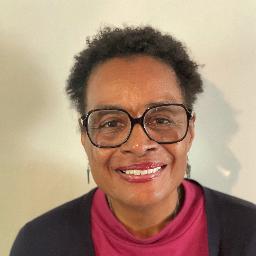
Dr. Kendra Corning
NC Psychologist
Compassionate psychologist guiding real-life change
- Stress, Anxiety
- Trauma and abuse
- Grief
North Carolina 12 years in practice
Clinical social work directory
60 therapists list immigration issues among the things they work with. All offer sessions online, and every profile shows the registering body, the membership number and when it runs to.
This page lists therapists who work with immigration issues in North Carolina, including language options and areas of focus. Browse the listings below to review profiles and find practitioners whose approaches and experience match what you need.
NC Psychologist
Compassionate psychologist guiding real-life change
LCMHC
Practical, culturally aware counseling for everyday struggles
LCMHC
Helping people deal with stress and life changes
LCMHC
Somatic-informed counselor focused on practical change
LCSW, LISW-CP
Calm, practical therapy for life transitions
LMFT
Skilled therapist focused on practical change
LCMHC
Compassionate, practical counseling for life challenges
LCSW
Practical, compassionate therapy for stress and trauma
LCMHC
Practical, strength-based counseling with faith options
LMFT
Calm, practical therapy focused on real-life change
LCSW
Helping people build steady, practical coping skills
LCSW
Practical therapy focused on everyday strengths
LCMHC, LMFT
Steady, experienced counselor for life transitions
LCSW, LISW-CP
Therapist focused on practical emotional coping
LCMHC
Practical support for stress and relationship strain
LCMHC
Bilingual counselor helping people find practical coping skills
LCSW
Compassionate social worker focused on practical change
LCSW
Experienced LCSW focused on practical growth
LCMHC
Compassionate support for anxiety and mood challenges
LCSW
Practical, values-based therapy for life challenges
LMFT
Relationship-focused therapist for life changes
LISW-CP, LCSW
Short-term skills and collaborative care
LMHC, LCMHC
Compassionate, practical therapy for life’s challenges
LCMHC
Practical, compassionate support for life changes
LPC, LCMHC
Compassionate counselor focused on practical change
LCSW
Compassionate, practical therapy for complex challenges
LCSW
Steady, experienced therapy for life’s difficult moments
LCSW
Compassionate, practical support for life changes
Practical support for stress and life changes
Warm, trauma-informed social worker
LMFT
Practical, relationship-focused therapy in North Carolina
LCMHC
Experienced counselor focusing on relationships and coping
LPC
Calm, practical therapy for real-life struggles
LCSW
Practical, down-to-earth support for everyday struggles
LCMHC
Warm, practical counseling for life challenges
Empathic LMFT helping people rebuild and cope
LCSW
Person-centered support for stress and relationships
Some links on this page are partner links. We will earn a commission if you sign up through one, at no cost to you. It does not change what you pay or the order of the listings.
Immigration issues can include a wide range of experiences tied to moving across borders, adjusting to new systems, and navigating legal processes. You may encounter cultural adaptation, language barriers, separation from family, uncertainty about legal status, discrimination, and the practical demands of rebuilding life in a new place. Each of these factors can affect emotional well-being, relationships, work or school performance, and your daily sense of stability. Because immigration-related stressors often intersect with other life challenges, people seeking help commonly report symptoms such as sleeplessness, persistent worry, mood changes, difficulty concentrating, or a sense of disconnection from community.
For many, the emotional work of immigration is ongoing and layered. You might find yourself grieving the life you left behind while trying to learn new cultural norms or coping with fear about legal outcomes. Children and adolescents often experience these shifts differently from adults, and family dynamics can change when household roles evolve. Therapy for immigration issues aims to address the emotional and relational consequences of these changes while helping you develop practical coping strategies to manage the daily stressors that come with major life transitions.
If you are wondering whether therapy could help, there are several signs that working with a therapist may be beneficial. You might feel overwhelmed by frequent anxiety or panic related to legal processes or uncertainty about the future. Persistent sadness, withdrawal from friends or family, or changes in appetite or sleep patterns can signal that the stress of immigration is affecting your mental health. You may notice recurring nightmares or intrusive memories of traumatic events that occurred before, during, or after migration. Relationship strain is common when family members adapt at different rates or when intergenerational differences about culture and identity create conflict.
Other indicators include difficulty concentrating at work or school, repeated avoidance of reminders of migration, or a sense that daily worries are interfering with your ability to function. You may also be seeking help to learn how to support children through transitions, to process experiences of discrimination, or to manage the emotional fallout of legal delays and uncertainty. Therapy is a space where you can explore these experiences, learn coping methods tailored to your situation, and strengthen skills for navigating systems and relationships in your new environment.
When you begin therapy for immigration-related concerns, many therapists start by building an understanding of your story and your immediate needs. Early sessions often involve discussing your migration history, current stressors, support network, and any legal or practical issues affecting your daily life. Your therapist may ask about cultural background, language preferences, and the values you want honored in the work. This intake period is an opportunity for you to describe what feels most pressing and to set goals for therapy, whether you want help managing anxiety, improving family communication, processing traumatic memories, or navigating difficult decisions.
Sessions can include a mix of emotional processing and practical skill-building. You might work on grounding techniques for anxiety, communication strategies to reduce family conflict, or problem-solving around housing, employment, or school challenges. If trauma is part of your history, a therapist may help you develop stability and coping skills before addressing painful memories. Because immigration concerns often involve interactions with legal and social systems, some therapists incorporate advocacy-oriented support by helping you prepare for appointments or articulate your needs to other professionals. Throughout the process, you and your therapist will shape the pace and focus of sessions to match your comfort level and goals.
Therapists use a range of approaches when working with immigration-related concerns, and your choice can depend on the problems you want to address and your personal preferences. Many therapists describe using culturally responsive practices that take into account your identity, language, and community context. You may encounter therapists who list cognitive-behavioral therapy (CBT) among their approaches to help you identify patterns of thinking that contribute to anxiety or depression and to develop practical coping strategies. Narrative-oriented approaches can be helpful for people who want to make sense of their life story, connect experiences across contexts, and reclaim a sense of agency after disruption.
For those dealing with traumatic experiences, some clinicians list trauma-focused methods among their approaches. This can include therapies aimed at reducing the intensity of traumatic memories while emphasizing stabilization and safety. Other professionals may incorporate family systems perspectives to address shifts in household roles and intergenerational tensions that arise after migration. You may also find therapists who list strengths-based or resilience-focused approaches, which emphasize your resources and adaptive strategies. When reviewing profiles, notice the language therapists use to describe their work and whether they mention experience with immigration-related themes or relevant population groups.
Online therapy can be a practical option if you need language-matched services, flexible scheduling, or access to clinicians beyond your immediate area. When you choose virtual sessions, you connect with a therapist by video, phone, or text-based messaging from a location of your choosing. This format can make it easier to find someone who speaks your preferred language or who lists experience with immigration-related work. Before you begin, consider the technical and environmental factors that support effective online sessions, such as a quiet area where you feel comfortable and reliable internet or phone access. Many people find that remote sessions reduce travel barriers and allow for continuity of care during busy or uncertain periods.
When selecting a therapist, pay attention to several practical considerations. Look for clinicians who explicitly note experience with immigration themes, cultural competence, and language capabilities that meet your needs. Read how therapists describe their approaches and consider whether you prefer a focus on skills training, trauma processing, family communication, or narrative work. If you are seeking support for children or adolescents, seek practitioners who mention work with youth and family dynamics. It can help to think about whether you want a therapist who emphasizes practical problem-solving alongside emotional exploration, especially if you are navigating legal, housing, or employment systems.
Trust your instincts about fit. You should feel that the therapist respects your background and listens to your priorities. It is reasonable to expect a professional conversation about how they approach immigration-related concerns and the types of strategies they use, such as therapists who list cognitive-behavioral techniques, trauma-informed practices, narrative approaches, or family systems work. Keep in mind that the wording on profiles reflects how therapists describe their work and that you can use initial conversations to ask about style, language options, cultural experience, and the practical aspects of working together. Taking time to find someone whose approach aligns with your needs can make the therapeutic process more meaningful and useful as you navigate the complexities of immigration and adaptation.