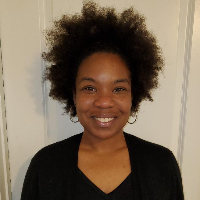
Dr. James Hunter Jr
LCMHC
Experienced counselor for life transitions
- Stress, Anxiety
- Depression
- Relationship
North Carolina 19 years in practice
Clinical social work directory
410 therapists list Mindfulness Therapy among the ways they work. Naming an approach is not evidence of training in it, so ask directly how they use it.
Mindfulness Therapy emphasizes present-moment awareness and nonjudgmental attention to thoughts, emotions, and bodily sensations. Below, you can browse therapists in North Carolina who list Mindfulness Therapy among their approaches to find professionals whose focus, credentials, languages, and experience align with your needs.
LCMHC
Experienced counselor for life transitions
NC Psychologist
Compassionate psychologist guiding real-life change
LCMHC
Practical, respectful support for real-life struggles
LCSW
Practical, supportive therapy for emotional healing
LCSW
Practical strategies for stress and relationships
LCMHC
Practical, culturally aware counseling for everyday struggles
LCMHC
Helping people deal with stress and life changes
LPC, LCMHC
Compassionate counselor for stress and recovery
LPC, LCMHC
Practical, skills-focused counseling for everyday strain
LCMHC
Practical strategies for stress and relationships
LCMHC
Somatic-informed counselor focused on practical change
LCMHC
Compassionate, practical therapy for anxiety and trauma
LCSW
Compassionate, practical support for recovery
LCMHC
Practical, values-focused counseling for everyday life
LCSW
Practical, steady support for stress and recovery
LCSW
Empathetic LCSW helping people find practical progress
LCSW, LISW-CP
Faith-aware counselor for stress and addiction
LCMHC
Compassionate counselor for stress and relationships
LCSW
Compassionate, practical therapy for life challenges
LPC, LCMHC
Practical support for stress and trauma recovery
LCMHC
Experienced counselor focused on practical support
Experienced NC LCSW focused on practical support
LPC, LCMHC
Compassionate counseling focused on practical change
LCSW, LISW-CP
Faith-informed social worker focused on healing
LCSW, LISW-CP
Compassionate, practical support for life's hard moments
LMFT
Skilled therapist focused on practical change
Empathetic, practical support for life and relationships
LCSW
Compassionate, practical therapy for real-life struggles
LCMHC
Compassionate, practical counseling for life challenges
Practical, person-focused therapy for life changes
LCMHC
Hopeful, practical therapy for daily life
Practical counseling for recovery and life change
LCSW
Experienced LCSW focused on practical coping strategies
LMFT
Client-centered therapist focused on practical skills
LCSW
Mindful acceptance and practical skills for change
NC Psychologist
Practical, goal-focused therapy in North Carolina
Some links on this page are partner links. We will earn a commission if you sign up through one, at no cost to you. It does not change what you pay or the order of the listings.
Mindfulness Therapy is an umbrella term for clinical approaches that use principles of mindful awareness as a central part of treatment. At its heart it encourages you to observe your internal experience - thoughts, feelings, sensations - with curiosity rather than immediate judgment or reaction. That simple shift in attention can change the way you relate to difficult emotions and repetitive thinking. In practice this means you are invited to notice what arises in the present moment, learn to respond rather than react, and gradually develop greater clarity about patterns that influence your daily life.
The work is often experiential - you practice awareness in the therapy room and are encouraged to bring mindful practices into daily life between sessions. Therapists who list Mindfulness Therapy among their approaches tend to integrate breath-based exercises, body-centered awareness, and moment-to-moment noticing alongside conversations about meaning, relationships, and behavior. Rather than focusing solely on symptom reduction, this approach often emphasizes developing a durable ability to observe and shift your relationship to stressors and internal experiences.
You will find mindfulness-based approaches applied to a wide range of concerns because many difficulties share an element of reactive or habitual responding. People often seek this style of therapy for help with stress management, repetitive worry, rumination, and persistent low mood where changing the relationship to thoughts can ease the emotional burden. It is also used by people coping with insomnia, chronic pain, or health-related anxiety when attention and acceptance strategies help reduce the intensity of distress.
Beyond individual symptoms, Mindfulness Therapy can support life transitions, relationship challenges, and performance anxiety by helping you become more present and intentional in interactions and decision-making. It can be integrated into therapy that addresses trauma-related symptoms and emotion regulation, though approaches and pacing may differ depending on your history and comfort. Many people appreciate that mindfulness practices are skill-based - you can practice them outside of sessions and notice subtle changes in how you respond to everyday triggers.
A typical session blends conversation, experiential practice, and reflection. You can expect a portion of time to be devoted to checking in about recent weeks - moods, situations that felt challenging, and any practice you tried between sessions. Then the therapist may guide you through a short mindful exercise such as breath awareness, a body scan, or a brief movement practice. These exercises are often kept brief at first so you can notice their immediate effects and build tolerance.
Guided practices in the session might include focusing on the breath to track how attention moves, scanning bodily sensations to observe tension or ease, or practicing mindful listening in a role-play to shift habitual responses during difficult conversations. After a practice you and your therapist will likely talk about what came up - physical sensations, emotions, or thoughts - and how that relates to patterns you want to change. Homework often involves short daily practices you can fit into your routine so that awareness becomes more available in moments of stress.
Session length typically mirrors standard therapy formats, often ranging from 45 to 60 minutes, and frequency is discussed based on your goals. The pace can be gentle and exploratory, and your therapist may adapt exercises to match your comfort level and history. If exposure to certain sensations or memories feels intense, the therapist will usually offer grounding strategies and collaborative ways to stay within a tolerable range of experience.
Mindfulness Therapy shares elements with several therapeutic models but also has distinguishing features. Compared with approaches that focus primarily on restructuring thoughts, such as cognitive techniques, mindfulness emphasizes observing thoughts without trying to immediately change their content. This can create distance from habitual self-criticism or worry, allowing you to notice thought patterns and choose responses rather than react automatically.
Compared with more insight-oriented approaches that emphasize interpretation of past events, mindfulness tends to center on present-moment experience and skill building. That is not to say exploration of history is absent, but the primary therapeutic tool is the cultivation of awareness and attention. For those who want hands-on practices to manage distress in the moment, mindfulness offers exercises you can apply outside session hours.
Mindfulness also overlaps with acceptance-based and behavioral approaches that encourage willingness to experience emotions while changing behavior. The difference is often emphasis - mindfulness prioritizes sustained present-moment attention and meta-awareness, while other approaches may prioritize direct cognitive change or behavioral experiments. When you are comparing therapists, look at how they describe integrating mindfulness with other techniques and whether that blend aligns with how you prefer to work.
Mindfulness Therapy may suit you if you are interested in learning practical attention skills, want to reduce reactivity to stress, or prefer an approach that combines experiential practice with conversation. It can be appropriate across many ages and backgrounds, although the style and pace should be adapted to fit your history and current needs. If you have a history of trauma, severe dissociation, or intense panic, some therapists will tailor practices carefully or prioritize stabilization strategies before longer mindfulness practices. Discussing these considerations with a potential therapist can help you determine a good fit.
When you browse listings, pay attention to how therapists describe their approach, clinical interests, and experience. Consider language capabilities if you prefer working in a language other than English, and note any populations the therapist highlights, such as adolescents, adults, or specific cultural communities. Rather than assuming competency based on a single label, look for descriptions of how mindfulness is applied in sessions - whether it is offered as a stand-alone focus, integrated with other methods, or used in structured group programs.
It can be helpful to ask potential therapists about session structure, the kinds of practices they usually introduce early on, and how they support clients who find certain exercises challenging. You may also want to learn about session length, what kinds of goals previous clients typically work on, and how the therapist tracks progress. These kinds of questions help you form realistic expectations and identify someone whose style and emphasis match what you are seeking.
Choosing a therapist is a personal process. As you explore profiles of professionals who list Mindfulness Therapy among their approaches, trust your sense of fit based on the therapist's described focus, credentials, languages, and experience. Mindfulness offers practical tools for cultivating awareness and responding differently to internal and external stressors, and with a thoughtful match you can begin building skills that support daily life and emotional regulation.