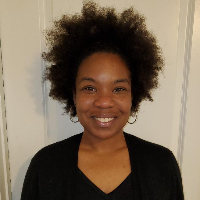
Pamela Peoples
LCSW
Experienced LCSW helping with anxiety and life changes
- Stress, Anxiety
- Self esteem
- Depression
North Carolina 16 years in practice
Clinical social work directory
658 therapists list Cognitive Behavioral Therapy (CBT) among the ways they work. Naming an approach is not evidence of training in it, so ask directly how they use it.
Cognitive Behavioral Therapy (CBT) is a practical, goal-oriented approach that focuses on the links between thoughts, emotions, and behaviors. Below you can browse therapists who list CBT among their approaches to find clinicians whose focus areas and experience align with your needs.
LCSW
Experienced LCSW helping with anxiety and life changes
NC Psychologist
Compassionate psychologist guiding real-life change
LPC, LCPC
Experienced counselor focused on practical change
LCMHC
Compassionate, practical counseling for everyday struggles
LCMHC
Practical, respectful support for real-life struggles
LCSW
Practical, supportive therapy for emotional healing
LCSW
Practical strategies for stress and relationships
LCMHC
Practical support for addiction and life change
LCMHC
Practical, values-focused counseling for adults
LCMHC
Practical, culturally aware counseling for everyday struggles
LCSW
Practical, goal-focused therapy for moving forward
LCMHC
Helping people deal with stress and life changes
LMFT
Compassionate, practical therapy for relationships and parenting
LPC, LCMHC
Compassionate counselor for stress and recovery
LPC, LCMHC
Practical, skills-focused counseling for everyday strain
LCSW
Practical, strengths-based therapy for everyday struggles
LCMHC
Experienced counselor focused on relationships and change
LCMHC
Practical strategies for stress and relationships
LCMHC
Practical support for stress and relationships
LCSW
Compassionate, practical support for recovery
LMFT
Compassionate, practical support for relationship and anxiety concerns
LCMHC
Practical, values-focused counseling for everyday life
LCSW
Practical trauma-informed support for daily life
LCSW
Practical, steady support for stress and recovery
LCSW
Empathetic LCSW helping people find practical progress
LPC, LCPC
Experienced person-centered counselor
LCSW, LISW-CP
Faith-aware counselor for stress and addiction
LCSW
Practical, person-centered care for life changes
LCSW, LISW-CP
Calm, practical therapy for life transitions
LCMHC
Practical, goal-focused counseling for life changes
LCMHC
Compassionate counselor for stress and relationships
LCSW
Compassionate, practical therapy for life challenges
LPC, LCMHC
Practical support for stress and trauma recovery
LCMHC
Experienced counselor focused on practical support
LPC, LCMHC
Practical support for stress and mood
Experienced NC LCSW focused on practical support
LPC, LCMHC
Compassionate counseling focused on practical change
Some links on this page are partner links. We will earn a commission if you sign up through one, at no cost to you. It does not change what you pay or the order of the listings.
Cognitive Behavioral Therapy, commonly called CBT, rests on the idea that the thoughts you have about situations influence the way you feel and act. CBT emphasizes identifying and examining unhelpful thought patterns, testing them against reality, and experimenting with new ways of responding. The approach is structured and practical, with an emphasis on skills you can use between sessions to change patterns that are keeping problems in place.
The CBT model highlights the interaction of thoughts, feelings, and behaviors. You and your therapist will work to notice automatic thoughts and underlying assumptions, evaluate how realistic those thoughts are, and try alternative interpretations. Behavioral techniques are used to practice new responses and to gather evidence that challenges old patterns. Sessions often follow a clear agenda, and progress is monitored so that the approach can be adapted as you move forward. This emphasis on collaboration and measurable steps can help you build tools that extend into daily life.
You will find CBT applied to a wide range of challenges because it targets the processes that maintain distress across different conditions. People often try CBT for anxiety-related concerns such as generalized anxiety, panic, social anxiety, and specific fears. It is frequently used for depressive symptoms where shifting negative thinking patterns and increasing engagement in meaningful activities can be part of recovery. CBT methods are also adapted for stress management, insomnia, and coping with medical symptoms that impact mood and functioning.
CBT techniques are useful when relationship patterns or life transitions create repetitive difficulties. You may use CBT to notice communication cycles that provoke conflict, to test assumptions about others, or to experiment with new behaviors that change interaction patterns. The approach is also used in addressing procrastination, workplace stress, and habits that interfere with daily goals. While CBT does not replace specialized interventions for every situation, it offers a toolkit that can be tailored to the particular issues you bring.
A typical CBT session follows a predictable structure that helps you and your therapist stay focused on goals. Sessions often begin with a brief review of recent events and assigned tasks, followed by a discussion of the specific topic to address that day. You and the therapist will clarify a target problem, consider the thoughts and behaviors that sustain it, and practice strategies to change those patterns. Sessions usually end with an agreed plan for applying new skills between meetings and a check on how progress will be tracked.
Homework is a common feature of CBT because change happens through practice. Assignments might include keeping a thought record, testing feared predictions in real life, scheduling activities to boost mood, or using relaxation or breathing techniques. These exercises are not tests; they are opportunities to collect information about how well new strategies work for you. The collaborative nature of CBT means that your feedback on what helps and what does not is central to shaping future sessions.
Compared with approaches that emphasize insight into past experiences, CBT tends to prioritize present patterns and skills that can be practiced and measured. While you may explore how earlier experiences shaped current thinking, the work usually centers on identifying current thoughts and behaviors you can modify. This focus on short-term, targeted interventions sets CBT apart from therapies that aim primarily at long-term personality change through extensive exploration of early life and unconscious dynamics.
CBT emphasizes behavioral experiments, cognitive restructuring, and practical coping tools. In contrast, other therapies may prioritize the therapeutic relationship, emotional exploration, or mindfulness-based acceptance. For example, approaches that emphasize acceptance help you change your relationship to unwanted thoughts and feelings rather than trying to change their content. Some integrative therapists combine CBT strategies with other methods so you can gain both practical skills and deeper emotional work, depending on what you need.
If you prefer concrete techniques, a collaborative process, and a focus on measurable change, you may find CBT appealing. People who want to learn specific skills for managing anxiety, improving mood, changing unhelpful habits, or tackling situational problems often choose CBT-style work. It can suit a wide range of ages and life circumstances because the methods are adaptable. However, the best match depends on your preferences and the complexity of the issues you face. Some challenges call for a blended approach that integrates CBT with other perspectives.
When searching for a therapist, pay attention to the experience areas, focus populations, and approaches described in clinician profiles. Look for descriptions that explain how a clinician applies CBT techniques in practice and mention which kinds of problems they often address. Consider factors such as professional credentials, years of experience, and whether the therapist lists particular populations they work with, such as adolescents, couples, or people coping with chronic health conditions. Reading profiles can help you identify clinicians whose backgrounds and stated approaches align with your expectations.
Think about logistical preferences such as the locations served, session format, languages spoken, and the general style you prefer in therapy. Some clinicians emphasize a skills-focused, directive approach while others describe a more exploratory or gentle application of CBT strategies. If a profile mentions a strong interest in behavioral experiments, structured skill-building, or working with a specific age group, that can help you determine whether the clinician's practice matches what you want. When you find profiles that resonate, reaching out to learn more about the therapist's typical approach and areas of focus can clarify whether a match feels right for you.
CBT tends to be collaborative and action-oriented, so your engagement will shape how much you gain. Bringing questions, keeping track of situations that trigger difficult thoughts or behaviors, and being willing to try new strategies are all part of the process. Progress may be steady or variable, and you and your therapist can adjust priorities and techniques as you learn what helps. Remember that even small changes in thinking or behavior can create meaningful shifts in day-to-day functioning.
Sometimes a blended plan that includes CBT techniques alongside other therapeutic elements is most helpful. Therapists who list CBT among their approaches may also draw on complementary methods to address emotional depth, relational patterns, or acceptance-based skills. If you have longstanding or complex concerns, you might choose work that combines skill-building with deeper exploration over time. The right combination depends on your goals and what feels most useful as you move forward.
Ultimately, CBT offers a practical framework for learning to notice, test, and change patterns that contribute to distress. By understanding how the approach works, what to expect in sessions, and how it compares to other therapies, you can make informed choices as you browse therapists who list CBT among their approaches in North Carolina.