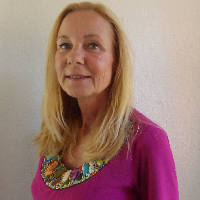
Dr. Kendra Corning
NC Psychologist
Compassionate psychologist guiding real-life change
- Stress, Anxiety
- Trauma and abuse
- Grief
North Carolina 12 years in practice
Clinical social work directory
130 therapists list phobias among the things they work with. All offer sessions online, and every profile shows the registering body, the membership number and when it runs to.
Explore licensed clinicians who list phobias among their specialties and learn how different approaches may fit your needs. Browse the listings below to compare credentials, approaches, languages, and areas of focus.
NC Psychologist
Compassionate psychologist guiding real-life change
LCMHC
Helping people deal with stress and life changes
LCSW
Compassionate, practical support for recovery
LCSW
Practical, steady support for stress and recovery
LCMHC
Practical therapy focused on real-life change
LCMHC
Experienced counselor focused on practical support
LMFT
Experienced LMFT focused on relationships and life change
LCSW, LISW-CP
Faith-informed social worker focused on healing
LMFT
Skilled therapist focused on practical change
LCSW
Compassionate, practical therapy for everyday struggles
Practical counseling for recovery and life change
LCSW
Experienced LCSW focused on practical coping strategies
LCSW
Compassionate client-centered therapy for everyday struggles
LCSW
Practical skills for stress, relationships, and healing
LCSW
Practical therapy for stress and addiction recovery
LCSW
Compassionate, practical therapy for everyday life
LCSW
Practical support for stress and relationship struggles
LMFT
Calm, practical therapy focused on real-life change
Compassionate counselor focused on practical change
LCSW
Helping people build steady, practical coping skills
LMHC, LCMHC
Warm, practical therapy for life transitions
LCMHC
Compassionate counselor focused on real-life change
Practical, values-focused therapy for daily life
CA Psychologist, NC Psychologist
Practical, skills-based therapy for mood and attention
LCMHC
Compassionate counselor for everyday life challenges
LCSW
Compassionate social worker focused on practical change
LCSW
Warm, practical therapy focused on real-life change
LPC, LCMHC
Practical, experienced counselor for stress and addiction
LCMHC
Compassionate, practical counseling for everyday challenges
LCSW, LISW-CP
Therapist focused on practical emotional coping
LPC, LCMHC
Therapist focused on practical support
LCSW
Supportive LCSW helping with stress and life changes
LCMHC, LMHC
Empathetic counselor focused on practical change
LCMHC
Bilingual counselor helping people find practical coping skills
LPCC, LPC
Practical, compassionate counseling for everyday struggles
LCMHC
Compassionate, practical support for life changes
Compassionate, practical support for everyday challenges
LCSW
Practical, values-focused therapy for life challenges
LCMHC, LPC
Compassionate counselor for life transitions
LMHC, LCMHC
Practical, experienced counseling for life challenges
LCSW
Compassionate social worker focused on practical change
Some links on this page are partner links. We will earn a commission if you sign up through one, at no cost to you. It does not change what you pay or the order of the listings.
A phobia is an intense fear or avoidance of a specific object, situation, or activity that interferes with daily life. You may recognize a phobia when your reaction is out of proportion to the actual danger, when it causes persistent worry, or when it disrupts routine tasks such as commuting, socializing, or going to work. Phobias differ from everyday worries because they tend to trigger immediate physical reactions - such as rapid heartbeat, sweating, trembling, or an urge to escape - and can lead to avoidance that affects your choices and opportunities.
For some people, phobias develop after a frightening experience, while for others there may be no clear origin. A fear that begins in childhood can persist into adulthood, and new phobias can emerge after a distressing life event. The presence of a phobia does not reflect personal weakness - it is a common human response that can feel overwhelming when it limits what you want to do.
You might consider looking for a therapist if your fear leads to repeated avoidance of places or activities, causes frequent anxiety attacks, or reduces your quality of life. If you find yourself turning down work opportunities, changing travel plans, or cutting out social activities because of fear, therapy can provide a framework for understanding and addressing those patterns. Another sign that therapy could help is when symptoms intensify over time or when they interfere with relationships and daily responsibilities.
Therapy is also useful when self-help strategies are not giving you the relief you want. If you have tried breathing techniques, relaxation exercises, or gradual self-exposure without progress, working with a clinician may offer structured methods and support. You should also consider therapy if your fear is accompanied by ongoing worry, mood changes, or substance use as a way of coping. In these situations, a clinician can help you explore options, develop coping strategies, and coordinate care with other providers if needed.
Your first few sessions will typically focus on understanding the nature of your fear and how it affects your life. A therapist will ask about the situations that trigger anxiety, the intensity and frequency of symptoms, and how avoidance shapes daily routines. You will have space to describe your personal history and any past attempts to manage the fear, and the clinician will discuss goals you want to work toward. This phase is about clarifying priorities and creating a plan that fits your needs and comfort level.
As therapy continues, sessions often combine education about the fear response with practical exercises. You may work on slowing down immediate physical reactions through breathing and grounding techniques, then move into cognitive strategies that examine unhelpful thoughts and assumptions. For many people, therapy also includes guided practice in facing feared situations in small, manageable steps. Homework between sessions is common - it helps you generalize gains into everyday life and builds confidence over time. Throughout treatment, your clinician will monitor progress and adjust pace so that challenges remain tolerable while promoting steady improvement.
Cognitive-behavioral approaches are frequently used for phobias because they target the thoughts and behaviors that maintain fear. Many therapists who list cognitive-behavioral therapy or exposure therapy among their approaches emphasize structured, goal-oriented work. Exposure work involves gradual, repeated contact with feared situations so that anxiety decreases through experience rather than avoidance. This exposure can be conducted in imagination, in controlled in-person settings, or in real-world practice that you plan together with your clinician.
Some clinicians who list acceptance and commitment therapy (ACT) or mindfulness-based approaches among their methods focus on changing your relationship with fear rather than trying to eliminate anxiety completely. These methods teach skills to notice and accept uncomfortable sensations without acting on avoidance, while clarifying values that guide meaningful action. If your fear developed after a distressing event, you may encounter clinicians who list trauma-informed approaches or who integrate techniques aimed at processing difficult memories. When mentioning these options, keep in mind that listings indicate approaches a therapist uses, not verified certifications.
Therapists may work alongside other health professionals when needed. Some people find that collaboration with a primary care clinician or psychiatrist helps when medical evaluation or medication is part of a broader plan. If medication is under consideration, that decision is made with a prescribing clinician and often in conversation with your therapist to align goals and monitor effects. When reviewing therapist profiles, pay attention to whether a therapist mentions coordinating care or working within a broader treatment team.
Online therapy for phobias typically uses video or phone sessions to recreate the conversational and skill-building elements of in-person work. You and your clinician can practice relaxation strategies, cognitive restructuring, and planning for exposures through virtual contact. For exposures that involve real-world settings, a therapist may support you remotely as you conduct steps in your neighborhood or workplace and then process the experience together afterward. Some clinicians supplement live sessions with written exercises, guided recordings, and shared worksheets to reinforce progress between meetings.
Before starting online sessions, think about where you will participate so you can speak openly and focus on the work. Choose a quiet, comfortable room with minimal interruptions where you can engage in exercises and, when appropriate, practice exposures. Discuss emergency planning with your clinician at the outset - this may include identifying local resources and a contact person if a crisis occurs while you are working remotely. Many people find that virtual therapy expands access to clinicians with specific expertise in phobias and offers flexibility in scheduling, while maintaining the structure needed to make steady progress.
When you review listings, pay attention to a therapist's stated focus areas, the approaches they list, and any languages they offer. Look for clinicians who mention experience with phobias or specific types of fear similar to yours. Read bios to get a sense of their style and therapeutic orientation - some clinicians emphasize exposure-based, structured work, while others highlight acceptance-based, exploratory, or trauma-informed approaches. Consider how those descriptions align with your preferences for direct skills practice versus reflective, insight-oriented work.
Credentials and licensure indicate a clinician's professional standing in their state and can be part of your selection criteria. You may also want to note practical details such as session format, fees, and whether a clinician lists experience with related issues like panic, social anxiety, or avoidance patterns. Finally, rapport matters. Many people benefit from a brief introductory conversation or consultation to see how you feel talking with a clinician and whether their communication style feels supportive and respectful. Trusting the collaborative process is often as important as any single technique.
Learning about phobia-focused therapy can help you decide which features matter most in a clinician and what to ask during an initial conversation. Use the listings to compare approaches, credentials, languages, and areas of focus, and choose a clinician whose described style aligns with your goals. With a clear plan and steady practice, you can find approaches that reduce avoidance, build confidence, and make daily life more manageable.