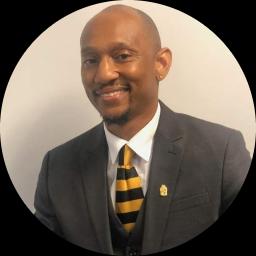
Robert Johnson III, LPC, LCMHC
North Carolina · 20 years in practice
Robert Johnson III is a licensed professional counselor who brings two decades of experience to his work in North Carolina.
License and registration
- LCMHC, North Carolina
- S8595 · expires June 2026
- LPC, South Carolina
- 5463 · expires August 2027
- NPI
- 1912153107 · national provider identifier
- Years in practice
- 20
- Languages
- English
Details are as listed on the therapist's public professional profile. You can check the license with the issuing state board, and the NPI with the national registry.
About Robert
Robert Johnson III is a licensed professional counselor who brings two decades of experience to his work in North Carolina. He focuses on day-to-day problems like stress and anxiety, substance use concerns, relationship struggles, and feelings of depression. He speaks plainly and helps people find practical ways to feel steadier in their daily life.
He begins by listening to each person’s story and identifying the strengths they already have. Sessions concentrate on clear goals and small steps that build toward those goals.
Background and approach
Robert helps people manage cravings, reduce worry, rebuild trust, and handle family tensions in straightforward ways. Over 20 years he has worked in settings that exposed him to many family dynamics and addiction challenges. That background informs how he helps people tackle issues such as abandonment, blended family concerns, fatherhood challenges, and problems tied to family of origin.
He also supports people facing fertility stress, guilt, shame, and first responder strain. Robert uses practical methods drawn from evidence-based therapeutic techniques to help people make changes that fit their life. He encourages collaboration and adjusts plans when something isn’t working.
He asks about what matters most to each person and focuses sessions on those priorities. People who choose him can expect direct, respectful conversation and a focus on usable tools. He aims to make therapy manageable by breaking work into clear, doable actions.
Focus areas and approaches
Everything Robert lists on their public professional profile, in their own terms.
- Stress, Anxiety
- Addictions
- Relationship issues
- Family conflicts
- Depression
- Abandonment
- Adoption and foster care
- Blended family issues
- Commitment issues
- Control issues
- Disruptive Mood Dysregulation Disorder (DMDD)
- Drug and alcohol addiction
- Emptiness
- Family of origin issues
- Family problems
- Fatherhood issues
- Fertility issues
- First responder issues
- Forgiveness
- Guilt and shame
- Hospice and end-of-life counseling
- Infidelity
- Isolation / loneliness
- Jealousy
- Life purpose
- Men's issues
- Midlife crisis
- Veteran and Armed Forces Issues
- Money and financial issues
- Mood disorders
- Multicultural concerns
- Narcissism
- Obsessions, compulsions, and OCD
- Panic disorder and panic attacks
- Paranoia
- Phobias
- Postpartum depression
- Post-traumatic stress
- Pregnancy and childbirth
- Seasonal Affective Disorder (SAD)
- Self-love
- Sexual dysfunction
- Social anxiety and phobia
- Workplace issues
- Young adult issues
Online support
Evidence-based approaches and flexible online care
Robert uses evidence-based therapeutic techniques that focus on skills people can use right away. Cognitive approaches help identify unhelpful thoughts and replace them with more balanced thinking to reduce worry and low mood. Behavioral strategies emphasize building routine actions and healthy habits to curb addictive urges and stabilize daily life.Finding the right approach is part of the work. The therapist will collaborate with each person to choose methods that match their goals, needs, and comfort level. Plans are adjusted over time when something isn’t helping and new goals emerge.
Online sessions are offered as video calls, phone sessions, live chat, or text-based messaging to fit different needs. Video works well when visual connection matters, phone can be easier when bandwidth is limited or for short check-ins, and messaging allows brief updates between meetings. These options make it possible to work around work, family obligations, and unpredictable schedules while keeping therapy consistent and practical.
We will earn a commission if you sign up through our link, at no cost to you. It does not change what you pay or the order of the listings.
Questions people ask
What concerns does he often work with?
He helps with stress, anxiety, addictions, relationship strain, family problems, and depression. He also focuses on issues like abandonment, fatherhood, and forgiveness.
What is his therapy style like?
Sessions are practical and goal-focused. He listens first, then helps set small steps people can use between meetings.
How much experience does he have?
He has 20 years of professional work experience supporting people through addiction, family conflict, and mood concerns.
What are his credentials and location?
He holds LPC and LCMHC credentials and practices in North Carolina while also holding licensure in South Carolina.
Which languages are supported for sessions?
Sessions are offered in English.
Can he work with international clients?
International clients are not currently accepted.
What session formats are available?
He offers video calls, phone sessions, live chat, and text-based messaging to fit different schedules and preferences.
How does billing and getting started work?
Cost varies with location and therapist availability and sessions use a subscription that can be canceled at any time. To begin, select the Start Therapy button, complete a short matching questionnaire, and schedule according to therapist availability.
More therapists in North Carolina
See allPamela Peoples
LCSW
Experienced LCSW helping with anxiety and life changes
- Stress, Anxiety
- Self esteem
- Depression
Dr. James Hunter Jr
LCMHC
Experienced counselor for life transitions
- Stress, Anxiety
- Depression
- Relationship

Dr. Kendra Corning
NC Psychologist
Compassionate psychologist guiding real-life change
- Stress, Anxiety
- Trauma and abuse
- Grief

Is this your profile?
Ask us to correct details or take the page down.
Contact us