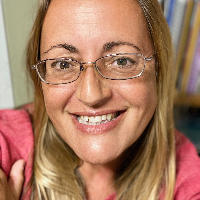
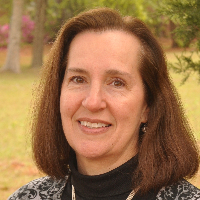
Dr. Kendra Corning
NC Psychologist
Compassionate psychologist guiding real-life change
- Stress, Anxiety
- Trauma and abuse
- Grief
North Carolina 12 years in practice
Clinical social work directory
179 therapists list ocd among the things they work with. All offer sessions online, and every profile shows the registering body, the membership number and when it runs to.
This page lists therapists in North Carolina who include OCD among their specialties. Browse profiles to compare approaches, credentials, languages and experience. Use the listings below to find professionals whose approaches and focus match what you’re looking for.
NC Psychologist
Compassionate psychologist guiding real-life change
LCMHC
Practical, values-focused counseling for adults
LCMHC
Helping people deal with stress and life changes
LCSW, LCSW-R
Experienced LCSW helping people manage stress and loss
LCMHC
Experienced counselor focused on practical support
LMFT
Experienced LMFT focused on relationships and life change
LCSW, LISW-CP
Faith-informed social worker focused on healing
LMFT
Skilled therapist focused on practical change
LCSW
Compassionate, practical therapy for everyday struggles
Practical counseling for recovery and life change
Compassionate counselor for mood and trauma
LPC
Compassionate counseling focused on practical change
LCSW
Compassionate client-centered therapy for everyday struggles
LCMHC
Practical, person-focused counseling for life challenges
LCMHC
Collaborative counselor focused on practical growth
LCSW
Practical skills for stress, relationships, and healing
LCSW
Experienced LCSW for complex emotional challenges
LCMHC
Practical, strength-based counseling with faith options
LCMHC
Practical, collaborative support for anxiety and relationships
LCSW
Practical therapy for stress and addiction recovery
LCSW
Compassionate, practical therapy for everyday life
LCSW
Practical support for stress and relationship struggles
LMFT
Calm, practical therapy focused on real-life change
LCMHC
Practical support for stress, anxiety, and life change
Compassionate counselor focused on practical change
LCSW
Helping people build steady, practical coping skills
LMFT
Practical, relationship-focused therapy for adults
LCMHC
Compassionate counselor focused on real-life change
CA Psychologist, NC Psychologist
Practical, skills-based therapy for mood and attention
LCMHC
Practical, goal-focused support for stress and trauma
LCSW
Practical, person-focused therapy and coaching
LCSW
Warm, practical therapy focused on real-life change
LPC, LCMHC
Practical, experienced counselor for stress and addiction
LCMHC, LMFT
Steady, experienced counselor for life transitions
LCMHC
Experienced LCMHC focused on practical support
LCMHC
Calm, practical support for overwhelming moments
LISW, LCSW
Practical support for stress, relationships, and change
LCSW, LISW-CP
Therapist focused on practical emotional coping
Some links on this page are partner links. We will earn a commission if you sign up through one, at no cost to you. It does not change what you pay or the order of the listings.
Obsessive-compulsive disorder, often called OCD, usually involves recurring thoughts, images or urges that feel intrusive and distressing, paired with behaviors or mental acts performed to reduce that distress. These experiences can show up in many different ways - repeated checking, persistent worries about contamination, intrusive violent or sexual thoughts that are not wanted, an urge to arrange items until they feel just right, or repetitive mental rituals like counting or repeating phrases. The content of obsessions varies widely across individuals, while the compulsive behaviors or rituals are the responses people use to try to cope.
OCD can affect daily routines, relationships, school or work functioning, and emotional well-being. For some people the rituals take a lot of time and feel impossible to stop; for others the distress is more about the persistent intrusive thoughts themselves. You may find that avoidance of certain places, people or tasks grows over time as you try to reduce triggers. Understanding that these experiences are part of a recognizable pattern can be helpful when you are deciding whether to seek support and when you begin conversations with a therapist.
You might consider therapy if obsessive thoughts or compulsive behaviors interfere with your life, cause significant distress, or take up a large portion of your day. You may notice that rituals are used to manage anxiety, guilt or a sense of incompleteness, and that those rituals feel increasingly difficult to control. Trouble concentrating at work or school, strained relationships because loved ones are drawn into rituals or accommodations, and growing avoidance of situations that trigger obsessions are common reasons people reach out for help.
Another sign that therapy could help is if you find attempts to stop or reduce rituals lead to intense anxiety, shame, or a cycle of temporary relief followed by renewed urges. If you are unsure whether your experiences meet a clinical threshold, a conversation with a clinician can clarify whether a structured approach could reduce distress and improve daily functioning. Therapy offers strategies to manage symptoms and to build skills for facing triggers in a way that aligns with your values and goals.
The first sessions typically involve a careful assessment of the nature and history of your obsessions and compulsions, how they affect your life, and your personal goals for treatment. You and your therapist will discuss what feels most distressing and what changes you hope to make. This assessment phase is collaborative and helps shape a treatment plan tailored to your situation, including deciding whether structured behavioral approaches are a good fit for you.
OCD-focused therapy often blends in-session skill-building with between-session practice. You can expect gradual exposure to feared thoughts or situations paired with learning to refrain from the usual ritual or response. This practice is usually paced based on your comfort and the plan you set with your therapist. Cognitive work may explore beliefs that fuel avoidance, ritualizing or catastrophic thinking. Progress is often measured by changes in how much control rituals have over your time and emotions, and by increased confidence in facing triggers without relying on compulsions.
Several therapeutic approaches are commonly used for OCD, and therapists in North Carolina may list one or more of these among their approaches. Cognitive-behavioral approaches often form the backbone of treatment. Within that family, exposure and response prevention - often referred to as ERP - is a specific behavioral method that focuses on helping you face feared thoughts or situations while preventing the usual compulsive responses. Over time, this process can reduce the intensity of the fear and the urge to perform rituals.
Other therapists may list cognitive restructuring as an approach to help you examine and modify beliefs that maintain obsessions and compulsions. Acceptance and commitment approaches may be included to help you build psychological flexibility by learning to accept difficult thoughts while committing to actions that reflect your values. Mindfulness skills are sometimes used to increase present-moment awareness and reduce reactivity to intrusive thoughts. When you read profiles, look for clear descriptions of these approaches and note whether a therapist explains how they adapt methods for your goals, rather than assuming a one-size-fits-all plan.
Online therapy for OCD typically uses live video sessions, phone calls, and text-based messaging to deliver treatment from anywhere in North Carolina where telehealth is permitted. Many clinicians use video to create a conversational setting similar to in-person sessions, which allows for guided exposures and real-time coaching. Therapists can help you develop exposure exercises that you practice during sessions and continue independently between meetings. Online formats can make it easier to plan exposures in your actual home environment, which can be a practical advantage when rituals or triggers are tied to personal spaces.
When considering online therapy, you may want to ask how a therapist adapts exposure work to a virtual setting and how they support homework assignments. Therapists can guide exposures remotely, suggest ways to structure practice, and help you monitor progress. Technology can also enable supplemental tools such as worksheets, audio recordings for mindfulness practice, or text-based messaging for brief check-ins, depending on the clinician's practice. Keep in mind that online care still follows professional and legal guidelines for therapy and data protection, so you can ask about how communication and records are handled if that matters to you.
When you review therapist profiles, focus on the clinician’s described areas of focus, the approaches they list, languages spoken, and relevant experience with OCD-related concerns. Look for clear explanations of how a therapist works with obsessive thoughts and compulsive behaviors, and consider whether their described style - for example more directive or more exploratory - feels like a fit for your preferences. It can be helpful to prioritize clinicians who describe using structured behavioral methods such as ERP if that is an approach you want to try, while recognizing that many therapists combine methods and tailor them to each person.
Think about practical considerations like whether you prefer in-person sessions or telehealth, whether you want a clinician with experience working with specific populations or life stages, and whether cultural competence or language match matters to you. When you contact a therapist, it is reasonable to ask about how they typically structure OCD work, how they measure progress, and how they support homework practice between sessions. Choosing a therapist is a personal decision - taking time to read profiles, consider how a clinician describes their approach, and reflecting on your own goals will help you find a match that supports the work you hope to do.
If you are ready to begin, the listings above can help you identify therapists in North Carolina who list OCD among their specialties. Use the profile details to narrow choices based on approach, experience and communication style so you can reach out to someone who aligns with your needs.