
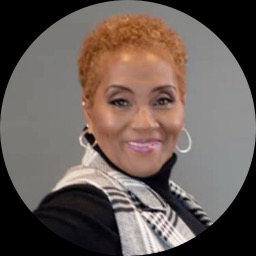
Denise Owen, LCSW
North Carolina · 34 years in practice
Denise Owen is a Licensed Clinical Social Worker with decades of experience helping people manage stress, anxiety, depression, grief, relationship concerns, parenting strain, and addiction.
License and registration
- LCSW, North Carolina
- C001100 · expires January 2028
- NPI
- 1841965597 · national provider identifier
- Years in practice
- 34
- Languages
- English
Details are as listed on the therapist's public professional profile. You can check the license with the issuing state board, and the NPI with the national registry.
About Denise
Denise Owen is a Licensed Clinical Social Worker with decades of experience helping people manage stress, anxiety, depression, grief, relationship concerns, parenting strain, and addiction. She has worked with clients facing trauma, intimacy issues, sleep and eating problems, ADHD, bipolar symptoms, and career or life transitions. Denise practices in North Carolina and draws on long experience in varied settings.
She began social work in the 1980s and earned a Master of Social Work in 1990.
Background and approach
Denise has worked in inpatient and outpatient roles, including a state psychiatric hospital in North Carolina, a medical hospital in South Carolina, a military base in Virginia, and outpatient agencies in Pennsylvania. That variety shaped a practical, down-to-earth approach to care. Denise focuses on setting clear goals with each person.
She prefers to assess needs first, then choose a path together. If one way doesn’t help, she tries a different method rather than pushing a single technique. Her practice draws on evidence-informed methods such as Acceptance and Commitment Therapy, Cognitive Behavioral Therapy, Dialectical Behavior Therapy, client-centered work, and mindfulness.
Sessions aim to teach skills people can use between meetings and to reduce the stress that gets in the way of daily life. Outside clinical work Denise has taught community college courses and homeschool classes, and she is the author of two children’s books.
She values collaboration and encourages people to view therapy like exercise: the hard part is starting, and the benefit comes from regular effort.
Focus areas and approaches
Everything Denise lists on their public professional profile, in their own terms.
- Stress, Anxiety
- Relationship issues
- Grief
- Parenting issues
- Self esteem
- Addictions
- LGBT
- Family conflicts
- Trauma and abuse
- Intimacy-related issues
- Eating disorders
- Sleeping disorders
- Anger management
- Career difficulties
- Bipolar disorder
- Depression
- Coping with life changes
- ADHD
- Blended family issues
- Caregiver issues and stress
- Communication problems
- Control issues
- Coping with natural or human-caused disaster
- Divorce and separation
- Domestic violence
- Drug and alcohol addiction
- Family problems
- Gender dysphoria
- Guilt and shame
- Hoarding
- Hospice and end-of-life counseling
- Infidelity
- Isolation / loneliness
- Jealousy
- Life purpose
- Midlife crisis
- Obsessions, compulsions, and OCD
- Post-traumatic stress
- Social anxiety and phobia
- Women's issues
- Workplace issues
- Young adult issues
Approaches Denise names
- Acceptance and Commitment Therapy (ACT)
- Client-Centered Therapy
- Cognitive Behavioral Therapy (CBT)
- Dialectical Behavior Therapy (DBT)
- Mindfulness Therapy
- Motivational Interviewing
- Narrative Therapy
- Psychodynamic Therapy
- Solution-Focused Therapy
Naming an approach is not evidence of training in it. This directory copies what each therapist lists and does not check training records.
Online support
Approaches that guide online sessions
Acceptance and Commitment Therapy helps people notice thoughts and feelings without getting stuck in them, then focus on actions that fit their values; it is often used for anxiety, depression, and life changes. Cognitive Behavioral Therapy looks at how thoughts and behaviors interact and teaches practical skills to change unhelpful patterns, which can help with stress, mood, and sleep. Mindfulness Therapy teaches simple attention and grounding practices to reduce reactivity and improve focus during stressful moments. Choosing the right approach is a collaborative effort. Denise will assess needs and goals and discuss which methods fit best. If a particular approach isn’t helpful, she will suggest alternatives and adjust the plan together. Online formats allow therapy to fit the day-to-day needs of people with busy schedules. Video calls are useful for fuller conversation and visual cues, phone sessions can work when bandwidth is low or when someone prefers voice only, and live chat or text-based messaging can be used for shorter check-ins or between-session support. These options are intended to increase flexibility and make it easier to keep regular contact with a licensed professional.We will earn a commission if you sign up through our link, at no cost to you. It does not change what you pay or the order of the listings.
Questions people ask
What concerns does Denise help with?
She works with people facing stress, anxiety, depression, grief, relationship and parenting concerns, addictions, trauma, and related issues such as sleep and eating problems.
What is her therapeutic style like?
Denise uses a collaborative, goal-focused style that starts with assessment and then chooses methods together. She prefers building rapport before beginning focused work.
How long has she been practicing?
She has 34 years of experience in social work and has worked in inpatient and outpatient settings since the late 1980s.
Where is she based and what credential does she hold?
She practices in North Carolina and holds a Licensed Clinical Social Worker credential, listed as NC LCSW.
Which languages are used in sessions?
Sessions are offered in English.
What session formats are available?
Therapy is offered by video calls, phone sessions, live chat, and text-based messaging.
How are sessions paid for and what does it cost?
Cost varies with location and therapist availability and uses a subscription model that can be canceled at any time.
How do I get started with therapy?
Begin by selecting the Start Therapy button, complete a short matching questionnaire, and then schedule according to therapist availability.
More therapists in North Carolina
See allPamela Peoples
LCSW
Experienced LCSW helping with anxiety and life changes
- Stress, Anxiety
- Self esteem
- Depression
Dr. James Hunter Jr
LCMHC
Experienced counselor for life transitions
- Stress, Anxiety
- Depression
- Relationship


Dr. Kendra Corning
NC Psychologist
Compassionate psychologist guiding real-life change
- Stress, Anxiety
- Trauma and abuse
- Grief

Is this your profile?
Ask us to correct details or take the page down.
Contact us