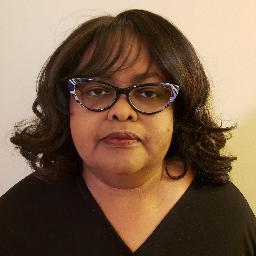
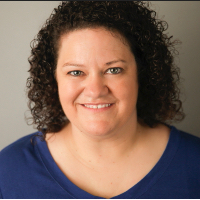
Teresa Freeman
LCSW
Practical, steady support for stress and recovery
- Stress, Anxiety
- Addictions
- Trauma and abuse
North Carolina 13 years in practice
Clinical social work directory
57 therapists list Gottman Method among the ways they work. Naming an approach is not evidence of training in it, so ask directly how they use it.
The Gottman Method is a structured approach to couples therapy that emphasizes research-based skills for improving communication, rebuilding trust, and strengthening emotional connection. Below you can browse therapists in North Carolina who list the Gottman Method among their approaches to learn more about their backgrounds and areas of focus.
LCSW
Practical, steady support for stress and recovery
LCSW
Compassionate, practical therapy for life challenges
Practical counseling for recovery and life change
NC Psychologist
Practical, goal-focused therapy in North Carolina
LCSW
Practical, culturally aware therapy for life changes
LCSW
Practical skills for stress, relationships, and healing
LCMHC
Practical, collaborative support for anxiety and relationships
LMFT
Calm, practical therapy focused on real-life change
Compassionate counselor focused on practical change
LMFT
Practical, relationship-focused therapy for adults
LCMHC
Compassionate counselor focused on real-life change
LISW-CP, LCSW
Practical, steady support for life’s hard moments
LCSW
Helping adults build clearer boundaries and purpose
LCMHC
Practical support for stress and relationships
LCMHC
Compassionate counselor focused on practical change
Experienced LMFT focused on practical change
LCSW
Practical, compassionate help for everyday struggles
LCSW
Practical therapy for stress and relationships
LCMHC
Practical, whole-person counseling for stressful times
LCMHC
Compassionate counselor for stress and life change
LCMHC
Practical support for relationships and life change
LCMHC
Practical guidance for life transitions and relationships
LCMHC
Experienced counselor for relationship and mood concerns
LCMHC
Practical, warm counseling for real-life struggles
LCSW
Straightforward, experienced support for life’s challenges
LCMHC
Relationship-focused counselor helping people reconnect
LCSW
Calm practical help for life and relationships
LCSW
Practical, values-based therapy for life challenges
LISW, LCSW
Practical talk therapy for stress and life changes
LMFT
Strength-based therapist focused on practical change
LPC, LCMHC
Compassionate counselor focused on practical change
LCSW
Compassionate LCSW helping steady change
LCMHC
Practical, collaborative counseling for lasting change
LMFT
Practical, relationship-focused therapy in North Carolina
LCMHC
Practical, compassionate therapy for stress and relationships
LMFT
Compassionate, practical support for life and relationships
LCSW
Restoring worth and practical coping skills
LPC, LCMHC
Compassionate practical counseling for real life
LCSW
Practical support for tough emotional challenges
LCSW, LISW-CP
Compassionate, practical therapy for life’s hard moments
LCMHC
Grounded counselor focused on practical coping tools
Some links on this page are partner links. We will earn a commission if you sign up through one, at no cost to you. It does not change what you pay or the order of the listings.
The Gottman Method is an approach to working with couples that grew out of decades of relationship research. Instead of relying on a single theory about why relationships succeed or fail, the method draws on observational studies and practical interventions designed to improve the way partners interact. At its core, the Gottman Method focuses on building friendship and emotional connection, managing conflict in healthier ways, and creating shared meaning in the relationship. You will encounter concepts such as the Sound Relationship House, which maps skills like trust, commitment, and positive regard, and the Four Horsemen, which describes patterns of interaction that can erode closeness over time.
Therapists who list the Gottman Method among their approaches typically use assessment tools and structured exercises to identify interaction patterns and strengths. Sessions often combine discussion with guided practice so you can learn and apply new skills during therapy. The emphasis is practical - helping you and your partner develop everyday habits that support stability and intimacy rather than focusing only on symptom reduction or individual pathology.
The Gottman Method is commonly used by couples seeking help for a range of relationship challenges. Many people turn to this approach when recurring conflicts leave them feeling disconnected, when communication has broken down, or when trust has been damaged by infidelity or secrecy. It is also used by couples hoping to strengthen a generally healthy relationship by improving emotional attunement, managing stress, and preventing small disagreements from escalating.
Beyond communication and trust, therapists who list the Gottman Method among their approaches may work with couples facing life transitions such as becoming parents, blending families, or navigating career changes that affect relationship roles. While it is primarily designed for couples, the principles can also be applied in counseling that touches on co-parenting, separation decisions, or improving relational patterns that affect family functioning. The method aims to equip you with skills that are useful both for resolving specific problems and for maintaining long-term relationship health.
A typical session that follows the Gottman Method balances assessment, education, and skill-building. Early sessions commonly include questionnaires and structured conversations that help the therapist understand your relationship cycle, strengths, and recurring challenges. You and your partner may complete inventories that highlight areas like communication patterns, emotional climate, and conflict behavior. That assessment informs a treatment plan that focuses on practical goals rather than vague promises.
In session, you can expect a blend of guided dialogue and exercises. The therapist may facilitate a conversation where each partner practices expressing needs and listening without interrupting. You might be led through activities designed to increase fondness and admiration or to repair ruptures after a fight. Homework is often part of the process - short, focused exercises to practice at home that reinforce what you learn in the therapy room. The approach is hands-on and skill-oriented so you leave sessions with tangible steps to try between meetings.
The Gottman Method distinguishes itself through its explicit link to empirical relationship research and its emphasis on observable interaction patterns. Whereas some approaches focus primarily on individual insight or unconscious processes, the Gottman Method prioritizes skills you can practice and measure, such as how you make repair attempts during conflict or how much positive interaction you maintain. This makes it especially practical for couples who want concrete tools rather than long explorations of personal history.
Compared with models that center on intrapsychic dynamics, the Gottman Method takes a systems-oriented view that sees relationship problems as the product of interaction cycles. It also differs from brief solution-focused models by offering a structured framework for assessment and progressive skill-building over time. That said, many therapists integrate Gottman concepts with other techniques to address individual issues that affect the relationship, such as anxiety, depression, or trauma-related symptoms. If you are looking for a method that combines research-based strategies with hands-on practice, the Gottman Method offers a distinct, skills-focused option.
You may be a good candidate for the Gottman Method if you and your partner want practical tools to improve communication, rebuild trust, or reduce negative conflict cycles. The method tends to be helpful for couples who are motivated to practice skills and who can engage in guided exercises during sessions. It can be appropriate at different stages of a relationship - for couples who want to prevent problems from worsening, for those who are working through specific breaches of trust, and for partners seeking to strengthen their emotional bond.
Couples dealing with high levels of ongoing danger or unmanaged risk factors such as ongoing abuse, severe substance use problems, or acute mental health crises may need additional supports before engaging fully in couples work. If individual issues are affecting the relationship, many therapists who list the Gottman Method among their approaches will collaborate with you on referrals or combined treatment plans. Ultimately, the approach tends to work best when both partners are willing to learn new interaction habits and to apply them consistently outside of sessions.
When searching for a therapist who lists the Gottman Method among their approaches, consider how their professional focus and experience align with your relationship goals. Look for profiles that describe a background in working with couples, mention specific relationship concerns similar to yours, and explain how they integrate assessment and skill-building into therapy. Reading therapist statements about their approach can give you a sense of whether they favor structured, research-based interventions or a more exploratory style.
It is helpful to pay attention to practical matters such as the therapist's approach to couple versus individual sessions, whether they discuss how they measure progress, and what kinds of homework or exercises they typically assign. You may also want to note any experience they list in working with diverse relationship types, cultural backgrounds, or specific life stages that reflect your situation. Once you identify a few profiles that seem like a good fit, reach out to learn more about their method and to ask any questions you have about how they work with couples. Finding a therapist whose approach and communication style match your needs increases the chances that the work you do in therapy will translate into meaningful change in your everyday life.