
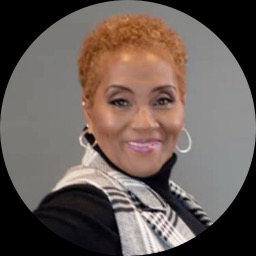
Janet Haywood, LISW, LCSW
North Carolina · 10 years in practice
Janet Haywood is a Licensed Clinical Social Worker who combines practical talk therapy with clear tools to help people manage stress, anxiety, grief, and life changes.
License and registration
- LCSW, North Carolina
- C010459 · expires October 2026
- LISW, South Carolina
- 12167 · expires December 2026
- NPI
- 1790165066 · national provider identifier
- Years in practice
- 10
- Languages
- English
Details are as listed on the therapist's public professional profile. You can check the license with the issuing state board, and the NPI with the national registry.
About Janet
Janet Haywood is a Licensed Clinical Social Worker who combines practical talk therapy with clear tools to help people manage stress, anxiety, grief, and life changes. She holds an LISW and an LCSW and brings ten years of experience to her practice in North Carolina. Janet writes and talks plainly, so sessions focus on real problems and realistic steps forward.
She uses client-centered work to hear what matters most to each person.
Background and approach
That means the conversation follows the client’s priorities while the therapist offers guidance and reflection. Janet also uses cognitive behavioral techniques to identify unhelpful thinking and develop new habits that ease symptoms like worry and low mood. Mindfulness and motivational interviewing are part of her approach too, helping people notice patterns and find motivation for change without judgment.
She also has experience with dialectical behavior ideas that help with emotion regulation and coping under pressure. These methods are useful for depression, anxiety, postpartum concerns, and caregiver stress. Janet has worked in crisis management and with mood disorder diagnoses, and she brings that background into steady, problem-focused sessions.
She is experienced with adoption and foster care issues, hospice and end-of-life counseling, and veteran and armed forces matters among other concerns. The focus stays on what a person wants to change and how to get there. Sessions aim to build trust, clarify goals, and create small, achievable steps.
Parents and caregivers often find this practical pacing helpful when life feels overwhelming. People meet her by video, phone, chat, or text depending on what fits their schedule.
Focus areas and approaches
Everything Janet lists on their public professional profile, in their own terms.
- Stress, Anxiety
- Grief
- Self esteem
- Depression
- Family conflicts
- Parenting issues
- Career difficulties
- Coping with life changes
- Coaching
- Compassion fatigue
- ADHD
- Adoption and foster care
- Caregiver issues and stress
- Communication problems
- Forgiveness
- Guilt and shame
- Hospice and end-of-life counseling
- Isolation / loneliness
- Midlife crisis
- Veteran and Armed Forces Issues
- Mood disorders
- Postpartum depression
- Pregnancy and childbirth
- Self-love
- Social anxiety and phobia
- Women's issues
- Workplace issues
Approaches Janet names
- Client-Centered Therapy
- Cognitive Behavioral Therapy (CBT)
- Dialectical Behavior Therapy (DBT)
- Gottman Method
- Mindfulness Therapy
- Motivational Interviewing
Naming an approach is not evidence of training in it. This directory copies what each therapist lists and does not check training records.
Online support
Therapeutic approaches for online care
Janet often draws on client-centered therapy to let each session follow what matters most to the person. That approach focuses on listening, reflecting, and helping clients name their goals so the work feels relevant and practical. Cognitive Behavioral Therapy, or CBT, is used to spot unhelpful thoughts and develop new skills for managing anxiety and low mood. CBT sessions usually involve short practical exercises and homework to build healthier thinking patterns.Finding the right approach is a collaborative step. The therapist will talk with the client about goals and preferences, try approaches that fit, and adjust as needed. That means methods can be mixed so the work stays useful rather than fixed to one style.
Online formats include video calls, phone sessions, live chat, and text-based messaging. Video is helpful for full conversation and visual cues, while phone sessions work well when bandwidth is limited or a quieter check-in is needed. Live chat and text messaging offer shorter, flexible check-ins and ongoing support between longer sessions. These options make it easier to fit therapy into busy schedules and to keep continuity of care across different circumstances.
We will earn a commission if you sign up through our link, at no cost to you. It does not change what you pay or the order of the listings.
Questions people ask
What kinds of concerns can be addressed?
She helps with stress, anxiety, depression, grief, self-esteem, parenting strain, career issues, ADHD, postpartum concerns, and related life changes.
What is her therapy style like?
The approach is conversational and practical, using client-centered listening plus CBT, DBT ideas, mindfulness, and motivational interviewing to build skills and clarity.
How much experience does she have?
Janet has ten years of clinical experience working with mood disorders, crisis management, grief, and caregiving issues.
Where is she licensed and based?
She is licensed in North Carolina as an LCSW and also holds an LISW in South Carolina.
Which languages are supported for sessions?
Sessions are offered in English.
What session formats are available?
She meets by video calls, phone sessions, live chat, or text-based messaging depending on client preference.
How does cost and payment work?
Cost varies with location and therapist availability; sessions use a subscription model that can be canceled at any time.
How do I begin working with her?
Click the Start Therapy button, complete a short matching questionnaire, and schedule a time based on the therapist's availability.
More therapists in North Carolina
See allPamela Peoples
LCSW
Experienced LCSW helping with anxiety and life changes
- Stress, Anxiety
- Self esteem
- Depression
Dr. James Hunter Jr
LCMHC
Experienced counselor for life transitions
- Stress, Anxiety
- Depression
- Relationship


Dr. Kendra Corning
NC Psychologist
Compassionate psychologist guiding real-life change
- Stress, Anxiety
- Trauma and abuse
- Grief

Is this your profile?
Ask us to correct details or take the page down.
Contact us