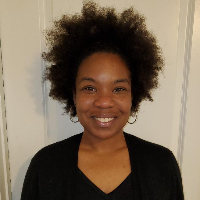
Dr. Kendra Corning
NC Psychologist
Compassionate psychologist guiding real-life change
- Stress, Anxiety
- Trauma and abuse
- Grief
North Carolina 12 years in practice
Clinical social work directory
292 therapists list family of origin issues among the things they work with. All offer sessions online, and every profile shows the registering body, the membership number and when it runs to.
Explore therapists in North Carolina who focus on family of origin issues, including family patterns, attachment, and intergenerational dynamics. Browse the listings below to review therapist approaches, credentials, languages, and areas of focus to help you find a good match.
NC Psychologist
Compassionate psychologist guiding real-life change
LCMHC
Practical, values-focused counseling for adults
LCMHC
Helping people deal with stress and life changes
LCMHC, LPC
Practical, faith-informed therapy for stress and grief
LCMHC
Somatic-informed counselor focused on practical change
LCMHC
Compassionate, practical therapy for anxiety and trauma
LCSW
Practical trauma-informed support for daily life
LCMHC
Compassionate counseling for anxiety and relationship pain
LMFT
Compassionate relational therapy for practical change
LCSW, LISW-CP
Practical support for stress and life change
LCMHC
Compassionate counselor for stress and relationships
LCMHC
Experienced counselor focused on practical support
Experienced NC LCSW focused on practical support
LMFT
Experienced LMFT focused on relationships and life change
LCSW, LISW-CP
Faith-informed social worker focused on healing
LCSW, LISW-CP
Compassionate, practical support for life's hard moments
LMFT
Skilled therapist focused on practical change
LCMHC
Practical support for stress and family strain
LCMHC
Hopeful, practical therapy for daily life
LCSW
Experienced LCSW focused on practical coping strategies
NC Psychologist
Practical, goal-focused therapy in North Carolina
Focused practical therapy for life’s hard moments
Practical, person-focused therapy with experience
Compassionate counselor for mood and trauma
LCMHC
Compassionate counseling focused on practical change
LCMHC
Practical support for relationship and life challenges
LPC, LCMHC
Compassionate, practical counseling for life changes
LCSW
Practical, supportive therapy for life’s challenges
LPC
Compassionate counseling focused on practical change
LCSW
Compassionate client-centered therapy for everyday struggles
LCMHC
Practical, person-focused counseling for life challenges
LCSW
Practical skills for stress, relationships, and healing
LCSW
Experienced LCSW focused on strengths-based care
LCSW
Practical support for stress and relationships
LCSW
Practical, person-centered therapy for life challenges
Some links on this page are partner links. We will earn a commission if you sign up through one, at no cost to you. It does not change what you pay or the order of the listings.
When people talk about family of origin issues they mean the patterns, beliefs, and relationship dynamics you first learned in your family as you were growing up. Those early interactions shape how you think about yourself, how you relate to others, and how you manage emotions and conflict. Family behaviors and expectations - whether expressed directly or through subtle habits - can leave impressions that persist into adulthood. You might notice recurring relationship themes, habitual ways of responding to stress, or difficulty breaking cycles that feel inherited rather than chosen.
The impact of family of origin issues can show up in many areas of life. You may find that certain relationship roles fit uncomfortably, such as always feeling responsible for others or being unable to express anger. Attachment patterns learned with caregivers often inform how you approach intimacy, trust, and independence. Emotional responses like anxiety or withdrawal can be linked to early family norms about emotional expression. Recognizing these links is not about assigning blame but about understanding how learned patterns influence current choices. That understanding is often the first step toward shifting patterns that no longer serve you.
You may benefit from focused work on your family of origin if you notice repeating relationship difficulties or strong emotional reactions that seem disproportionate to present circumstances. This might include cycles of conflict with partners that echo interactions you remember from childhood, persistent people-pleasing, or chronic feelings of shame that trace back to family messages. Other signs include difficulty setting boundaries with relatives, continual caretaking roles, or choosing partners who replicate familiar family dynamics. Sometimes the signal is less dramatic - a sense of dissatisfaction, restlessness, or uncertainty about identity that follows you across jobs and relationships.
If you find that certain family topics are hard to discuss or that stories from your past trigger intense bodily reactions - such as tightness, sudden anger, or freezing - those reactions can point to unresolved relational patterns. Therapy can help you explore how early attachment and family roles shaped your expectations and coping strategies. You do not need to have experienced extreme events to find this work useful; even ordinary family habits can produce limiting patterns. Seeking help is a way to gain perspective and new tools for reshaping how you relate to yourself and others.
In therapy for family of origin issues you can expect a careful balance of reflection, exploration, and practice. Early sessions typically focus on mapping your family history and identifying recurring themes - the roles family members played, communication styles, and the messages you internalized. Your therapist may ask about memories, family stories, and patterns you observe in current relationships. The aim is to build a coherent narrative that connects past experiences with present-day reactions without reducing your experience to a single cause.
As therapy progresses you will likely move from understanding to experimentation. That can include trying new ways of setting boundaries, practicing different communication styles, or learning emotional regulation techniques that interrupt automatic responses. Therapists often help you notice where old roles are active in real time and support you in testing alternative responses. Sessions may involve exploring the feelings that arise when you imagine confronting or forgiving family members, and creating gradual steps for changing interactions in everyday life. Over time the goal is to expand your range of choices so you can respond rather than react based on old patterns.
A range of therapeutic approaches is used to address family of origin issues, and different therapists bring different emphases. Psychodynamic approaches often explore how early relationships influence current patterns through attention to unconscious themes and relational transferences. Therapists who list cognitive behavioral therapy among their approaches may focus on identifying and reshaping the beliefs and behaviors that maintain problematic patterns. Emotion-focused therapy centers on helping you access, understand, and transform emotional responses tied to family experiences. Some therapists describe using narrative or relational approaches that help you re-author the stories you tell about your family and yourself.
You will also find therapists who list experiential or somatic approaches among their approaches, which can be helpful when family patterns are stored in the body as well as the mind. For those who mention expressive modalities, therapeutic work can include creative practices to access material that is difficult to put into words. If a therapist lists EMDR among their approaches, they may use that method to address distressing memories that continue to shape behavior. When reviewing listings you can look for approaches that resonate with how you prefer to work - whether that is talk-focused exploration, skills-oriented practice, or body-based methods.
Online therapy offers a way to engage in family of origin work from a setting that is familiar and comfortable for you. Sessions are typically held via video or phone, allowing you to meet with a therapist who may be located elsewhere in the state. Many people find that meeting from home makes it easier to access intense emotions, because the transition from session to the rest of daily life is gentler. If you prefer, phone sessions can reduce the visual intensity of emotional moments and allow you to focus on the conversation alone.
Online work requires attention to the practicalities of connection and environment. You will want to choose a time and place where you can speak freely without interruption and where you feel emotionally supported afterward. Therapists often discuss strategies for managing strong reactions between sessions, such as grounding practices or short after-session routines. While some interventions may be adapted for the online format, the core of family of origin therapy - reflection, emotion processing, and practicing new relational behaviors - translates well to remote sessions. When exploring listings, note whether therapists list online or telehealth among their approaches and think about which format aligns with your comfort and needs.
Choosing a therapist for family of origin issues is a personal decision that depends on the fit between your needs and a therapist's focus and approach. Start by clarifying what you hope to get from therapy - whether it is understanding recurring patterns, learning skills for healthier relationships, or processing painful memories. Look for therapists who mention family of origin, intergenerational work, attachment, or relational approaches in their profiles. Consider the therapeutic methods that feel most comfortable to you - some people prefer talk-focused, insight-oriented work while others want interventions that include skills practice or somatic elements.
Language and cultural competency can matter a great deal when family stories are tied to cultural norms or migration histories. If your background is culturally specific, look for therapists who list relevant language skills or cultural focus areas. Experience with similar concerns - such as parenting challenges, family estrangement, or multigenerational caregiving - can also be helpful. Reading profiles will give you a sense of how therapists describe their work; pay attention to whether their explanations align with your expectations about process and pace. Finally, trust your instincts about rapport in the first few sessions - a sense of being heard and respected is central to doing deep family work.
Working on family of origin issues can be deeply freeing. By understanding the origins of your relational patterns, learning new ways to respond, and practicing healthier boundaries, you can change how you relate to yourself and others. Use the listings on this page to explore therapists who note family of origin work among their focuses and compare approaches and credentials. When you find a profile that resonates, reach out to start a conversation about their approach and how it matches your goals for therapy.