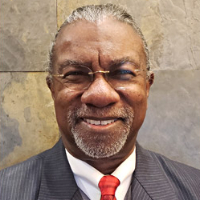
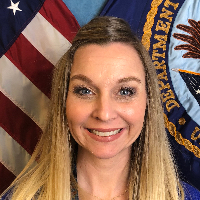
Paul Jones
LCSW
Practical strategies for stress and relationships
- Stress, Anxiety
- Trauma and abuse
- Parenting
North Carolina 8 years in practice
Clinical social work directory
265 therapists list infidelity among the things they work with. All offer sessions online, and every profile shows the registering body, the membership number and when it runs to.
This directory lists therapists in North Carolina who work with infidelity and relationship challenges. Browse the profiles below to compare approaches, focus areas, credentials, languages and experience.
LCSW
Practical strategies for stress and relationships
LCMHC
Helping people deal with stress and life changes
LMFT
Compassionate, practical therapy for relationships and parenting
LCMHC
Experienced counselor focused on relationships and change
LCMHC, LPC
Practical, faith-informed therapy for stress and grief
LCSW
Practical trauma-informed support for daily life
LCMHC
Compassionate counseling for anxiety and relationship pain
LMFT
Compassionate relational therapy for practical change
LCMHC
Compassionate counselor for stress and relationships
LCSW
Compassionate, practical therapy for life challenges
LCMHC
Experienced counselor focused on practical support
LPC, LCMHC
Compassionate counseling focused on practical change
LMFT
Experienced LMFT focused on relationships and life change
LCSW, LISW-CP
Faith-informed social worker focused on healing
LCSW, LISW-CP
Compassionate, practical support for life's hard moments
LMFT
Skilled therapist focused on practical change
LCMHC
Practical support for stress and family strain
LCSW
Compassionate, practical therapy for everyday struggles
Empathetic, practical support for life and relationships
LCMHC
Hopeful, practical therapy for daily life
Practical counseling for recovery and life change
LCSW
Experienced LCSW focused on practical coping strategies
LCSW
Mindful acceptance and practical skills for change
NC Psychologist
Practical, goal-focused therapy in North Carolina
Practical, person-focused therapy with experience
LCSW
Practical, culturally aware therapy for life changes
LCSW
Helping people recover, rebuild, and move forward
LCMHC
Compassionate counselor focused on practical change
LPC, LCMHC
Compassionate, practical counseling for life changes
LCMHC
Practical therapy for stress and relationship concerns
LCSW
Compassionate client-centered therapy for everyday struggles
LCMHC
Practical, person-focused counseling for life challenges
LCMHC
Collaborative counselor focused on practical growth
LCSW
Practical skills for stress, relationships, and healing
LCSW
Practical support for stress and relationships
LCSW
Practical therapy for stress and addiction recovery
LCSW
Compassionate, practical therapy for everyday life
LCSW
Practical support for stress and relationship struggles
LMFT
Calm, practical therapy focused on real-life change
Some links on this page are partner links. We will earn a commission if you sign up through one, at no cost to you. It does not change what you pay or the order of the listings.
Infidelity takes many forms and affects people in different ways. For some, it is a one-time physical act. For others, it involves ongoing emotional connections, secret online interactions, or a pattern of boundary crossings that erode trust over time. You may be grappling with questions about what happened, who was involved, and whether the relationship can continue. You may also be dealing with powerful emotions - shock, anger, grief, shame, confusion - that interfere with day-to-day functioning and decision making.
The impact of infidelity is rarely confined to the immediate event. It often reshapes roles, communication patterns, and expectations between partners. You might notice that routines you took for granted feel fragile, or that conversations quickly escalate into blame and withdrawal. Even when both people want to repair the relationship, the pathway forward can feel unclear. Therapy can provide a structured way to make sense of the experience, to name what was lost and what might be rebuilt, and to develop new ways of interacting if you decide to keep the relationship intact.
You may be wondering whether therapy is the right next step. People seek help for infidelity for many reasons. You might find that intrusive thoughts about the betrayal are making it hard to concentrate at work, to sleep, or to enjoy activities that used to matter. You may feel incapacitated by anger or overwhelmed by sadness, or you may notice that communication with your partner has become superficial or hostile. If you are replaying conversations, checking a partner’s devices, or feeling unable to trust your own judgment, these are common indications that outside support could help.
Therapy is also helpful if you are trying to decide what to do next. You may need time to process whether you want to repair the relationship, set new boundaries, separate, or explore other configurations. You might benefit from learning skills to manage intense emotions and to make decisions from a clearer place. Couples often come when both partners want help navigating conversations about responsibility, forgiveness, and rebuilding trust, while some individuals come to work through the personal effects of betrayal without a partner present. If you are noticing persistent changes in mood, behavior, intimacy, or your social life after an incident of infidelity, that can be a reliable cue to reach out for support.
When you start therapy for infidelity, sessions typically begin with assessment and goal setting. Your therapist will ask about the timeline of events, the nature of the relationship, and the emotional and practical consequences you are facing. If you are seeking therapy as a couple, initial sessions often focus on establishing safety for difficult conversations and clarifying what each person wants to achieve. If you are attending as an individual, your therapist will help you explore your reactions, values, and options without pressure to make immediate decisions.
Therapy sessions tend to combine emotionally focused work with practical skill building. You will likely practice ways to express needs and feelings without escalating conflict, and learn techniques to manage anxiety and intrusive thoughts between sessions. Over time, sessions may move from processing the event itself to addressing patterns that existed before the infidelity and that may have contributed to the breakdown. Repairing a relationship, if that is your goal, often involves rebuilding trust through consistent actions and transparency, setting new agreements about boundaries, and developing communication habits that feel respectful and honest to both people.
Therapists use a range of approaches when working with infidelity, and you will find different professionals describe their orientation in different ways. Some therapists emphasize attachment and relational patterns, aiming to help partners reconnect by exploring how early experiences shape current reactions. You will also encounter therapists who list Emotionally Focused Therapy (EFT) among their approaches, which centers on emotional bonding and safe expression. Others highlight cognitive-behavioral techniques to address unhelpful thinking patterns and to build coping skills for anxiety and rumination.
There are clinicians who list approaches that address trauma-related symptoms, such as therapies that aim to process painful memories and reduce reactivity. If you notice symptoms like intrusive memories or heightened startle responses after an affair, you might look for therapists who list trauma-informed methods among their approaches. Some therapists integrate systems-oriented or couples-based frameworks that focus on interactional patterns and on changing how partners negotiate needs and boundaries. When reviewing profiles, pay attention to the language therapists use to describe their focus, such as whether they highlight couple work, individual healing, communication training, or rebuilding trust, and remember that listing an approach does not verify a specific credential but does indicate how a therapist frames their work.
Online therapy can be a helpful option for infidelity-related concerns, because it allows you to meet with a clinician from a location that feels familiar. Sessions generally take place through video calls or sometimes phone sessions. You should plan to join from a place where you can speak openly without interruption, and where you feel comfortable managing intense emotions. If both partners are participating, you will need a setting where you can engage together without background interruptions. Think ahead about how you will respond after a difficult session - whether you have someone to check in with, or routines to help ground yourself afterward.
Technically, online sessions function like in-person sessions in terms of content and process. Therapists who work online may describe how they handle information-sharing boundaries, emergency planning, and session structure on their profiles. You can expect a focus on communication skills, emotional processing, and practical steps you can take between sessions. If you live in North Carolina, checking that a therapist is licensed to practice in the state is one practical step, because licensing determines where a therapist can legally provide clinical services, including telehealth. Online therapy can also broaden your options if you prefer a therapist who shares your cultural background, speaks your language, or lists specific experience working with relationship issues like infidelity.
Selecting a therapist for infidelity work often feels personal and pragmatic at the same time. Start by clarifying your goals - are you seeking individual processing, couples work focused on repair, or both? Once you know what you need, read profile descriptions to identify therapists who emphasize that kind of work. Look for information about populations they serve, the types of relationships they work with, and the issues they highlight, such as trust rebuilding, communication skills, or trauma work. Many profiles will note languages spoken and professional credentials, which can help you find a clinician who matches your preferences.
It is reasonable to reach out and ask a few questions before committing to sessions. You might inquire about how they typically structure early sessions for infidelity, what kinds of exercises or homework they use, and how they approach accountability and boundary setting between partners. Hearing their responses can help you gauge whether their style aligns with what you find helpful. Remember that the therapeutic relationship itself matters - a clinician who listens, clarifies, and makes space for your experience can make it easier to tackle difficult topics. Finally, give yourself permission to try more than one therapist if the first fit does not feel right. Finding someone you feel heard by and understood by is a practical step toward meaningful progress.