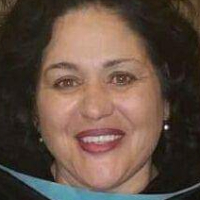
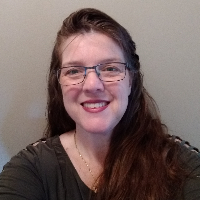
Dr. Kendra Corning
NC Psychologist
Compassionate psychologist guiding real-life change
- Stress, Anxiety
- Trauma and abuse
- Grief
North Carolina 12 years in practice
Clinical social work directory
219 therapists list disaster relief therapy among the things they work with. All offer sessions online, and every profile shows the registering body, the membership number and when it runs to.
This page highlights therapists in North Carolina who list disaster relief therapy among their specialties. Browse the listings below to compare focus areas, approaches, credentials, languages and experience.
NC Psychologist
Compassionate psychologist guiding real-life change
LCSW
Practical strategies for stress and relationships
LCMHC
Helping people deal with stress and life changes
LPC, LCMHC
Compassionate counselor for stress and recovery
LCSW
Practical, strengths-based therapy for everyday struggles
LCMHC
Somatic-informed counselor focused on practical change
LCSW, LISW-CP
Calm, practical therapy for life transitions
LCMHC
Practical therapy focused on real-life change
LMFT
Experienced LMFT focused on relationships and life change
LCSW, LISW-CP
Faith-informed social worker focused on healing
LMFT
Skilled therapist focused on practical change
LCMHC
Practical support for stress and family strain
LCSW
Compassionate, practical therapy for everyday struggles
LCMHC
Calm, practical counseling for life’s tough moments
LCMHC
Hopeful, practical therapy for daily life
Practical counseling for recovery and life change
LPC, LCMHC
Practical help for anxiety and addiction
LCSW
Experienced LCSW focused on practical coping strategies
LCSW
Mindful acceptance and practical skills for change
NC Psychologist
Practical, goal-focused therapy in North Carolina
Practical, person-focused therapy with experience
LCSW
Practical, supportive therapy for life’s challenges
LCMHC
Practical support for grief and trauma recovery
LCSW
Compassionate client-centered therapy for everyday struggles
LCMHC
Practical, person-focused counseling for life challenges
LCMHC
Collaborative counselor focused on practical growth
LCSW
Practical skills for stress, relationships, and healing
LCMHC
Practical, strength-based counseling with faith options
LCSW
Practical, person-centered therapy for life challenges
LCSW
Compassionate, practical therapy for everyday life
LMFT
Calm, practical therapy focused on real-life change
LCMHC
Practical support for stress, anxiety, and life change
Compassionate counselor focused on practical change
LCSW
Helping people build steady, practical coping skills
LMHC, LCMHC
Warm, practical therapy for life transitions
LCMHC
Compassionate counselor focused on real-life change
Practical, values-focused therapy for daily life
LCMHC
Calm, practical counseling for everyday challenges
CA Psychologist, NC Psychologist
Practical, skills-based therapy for mood and attention
LCMHC
Practical, goal-focused support for stress and trauma
LCSW
Compassionate social worker focused on practical change
LPC, LCMHC
Compassionate counseling focused on practical change
Some links on this page are partner links. We will earn a commission if you sign up through one, at no cost to you. It does not change what you pay or the order of the listings.
Disaster relief therapy refers to counseling and psychosocial support provided to people and communities after natural disasters, large-scale accidents, fires, floods, or human-made crises. The focus is on helping you manage the immediate emotional impact, cope with loss and disruption, and rebuild routines and connections. Disasters can interrupt daily life, displace families, damage property, disrupt social supports, and create practical challenges that compound emotional strain.
People respond to disasters in many different ways. Some reactions are short-lived and part of a normal adjustment process, while others can persist and affect your ability to work, care for family, or engage with your community. Responses vary by age, prior experiences, cultural background, and the resources available after the event. First responders, volunteers, and community leaders may also process stress differently than residents who experienced direct loss. Therapy in disaster contexts often combines emotional support with practical problem-solving to help you regain a sense of stability and direction.
It can be hard to know when to seek help. You may find therapy helpful if you experience ongoing distress that interferes with daily life. Those signs can include persistent sleep problems, intrusive memories or images that feel out of your control, difficulty concentrating, heightened startle responses, or avoidance of reminders of the event. You may notice shifts in mood such as increased anger, numbness, persistent sadness, or intense guilt about surviving when others were harmed.
Changes in behavior are also important to watch for. You might withdraw from people, have more conflicts in relationships, use alcohol or other substances more than usual, or struggle with parenting or work tasks you handled before the disaster. Children can show different signs - bedwetting, regression in developmental milestones, clinginess, or play that repeatedly reenacts the event. If your reactions are prolonged, getting worse, or preventing you from managing everyday responsibilities, talking with a therapist who lists disaster relief or trauma-informed approaches among their specialties can be a useful step.
Your first sessions usually begin with an intake conversation where the therapist asks about what happened, how it has affected you, and what your current needs are. The therapist will want to understand your immediate concerns, any medical or practical needs, and the supports you have in place. You and the therapist will discuss goals for care and agree on a plan that reflects your priorities. In many cases, early work includes creating a practical safety plan for managing distress and identifying local resources for housing, food, or legal assistance when applicable.
Early sessions often emphasize coping skills to reduce overwhelming emotions and restore routines. You may practice grounding exercises to manage panic or intense memories, learn breathing or relaxation strategies, and work on sleep hygiene and activity scheduling. Therapy can also help you make decisions and problem-solve around housing, school, or workplace issues that emerged after the disaster. Stabilization is aimed at helping you feel more able to function and to make space for deeper processing when you are ready.
When you feel prepared, therapy can move toward addressing grief, loss, and any traumatic memories connected to the event. This work can take different forms depending on your needs and comfort. For some people, therapy emphasizes narrative work - making sense of the experience and integrating it into your life story. For others, therapy focuses on managing intrusive memories, restoring a sense of safety, and rebuilding relationships and routines. The pace is collaborative and sensitive to cultural and personal values.
Therapists use a range of approaches to support people after disasters. Some approaches emphasize immediate psychological first aid - practical, supportive interventions designed to reduce initial distress and connect you with needed resources. Other approaches focus on symptom relief and processing, including cognitive-behavioral methods that address unhelpful thoughts and behaviors and techniques that help with managing anxiety and mood. You may encounter therapists who list EMDR among their approaches, and others who include narrative therapy, grief-focused counseling, or somatic methods that address how the body holds stress.
Group-based interventions are also common in disaster contexts because they offer social support and opportunities to share coping strategies with others who experienced the same event. Community-oriented programs may include psychoeducation about normal stress reactions and workshops that teach coping skills. Some therapists integrate culturally grounded practices and community rituals to honor losses and support recovery. Because evidence and preferences differ, it can help to ask how a therapist would tailor their approach to your needs and what types of methods they typically use with disaster-related concerns.
Online therapy has become a practical option for disaster relief work because it allows you to connect with a therapist even when transportation, childcare, or local services are limited. Sessions typically happen via video, phone, or text-based messaging, and they can be scheduled to fit your current circumstances. Online sessions can replicate many elements of in-person care - supportive listening, teaching coping skills, and conducting trauma-focused interventions - though certain activities that rely on in-person presence may be adapted.
When you choose online therapy, consider practical matters such as how you will find a personal spot to talk and what happens if you lose internet connection. Ask the therapist about their approach to managing crises remotely and how they coordinate with local emergency services when necessary. Licensing matters are also important - therapists are usually licensed to practice in specific states, so you may want to confirm that they are authorized to provide care in North Carolina. Finally, consider how comfortable you feel communicating online and whether you prefer video, phone, or text-based formats.
Finding a good fit involves more than one factor. Start by looking for therapists who list disaster relief, trauma-informed care, or grief and loss among their focus areas. Read profiles to learn about the approaches they describe, the populations they work with, and any languages they speak. If cultural background, faith, or community identity matters to you, look for clinicians who mention cultural competence or experience working with people from similar backgrounds.
When you contact a therapist, you can ask about the types of approaches they use and how they adapt treatment after disasters. You may want to know whether they offer individual, family, or group sessions, and how they incorporate practical resource referrals into their work. It is reasonable to ask about fees, insurance, and typical session length. Trust your sense of fit - the relationship you have with the therapist is an important part of effective care. If your care needs include coordinated services like medication management, legal advocacy, or casework, ask how the therapist collaborates with other professionals and community organizations. Taking those steps can help you choose a clinician whose approach and experience match your needs as you cope and rebuild after a disaster.