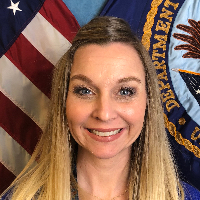
Pamela Peoples
LCSW
Experienced LCSW helping with anxiety and life changes
- Stress, Anxiety
- Self esteem
- Depression
North Carolina 16 years in practice
Clinical social work directory
250 therapists list domestic violence among the things they work with. All offer sessions online, and every profile shows the registering body, the membership number and when it runs to.
This page lists therapists who indicate a focus on domestic violence and related concerns. Browse profiles to learn about approaches, credentials, languages and professional focus areas.
Use the listings below to find therapists whose descriptions match the kind of support you want and read their profiles for more detail.
LCSW
Experienced LCSW helping with anxiety and life changes
NC Psychologist
Compassionate psychologist guiding real-life change
LCSW
Practical, supportive therapy for emotional healing
LCSW
Practical strategies for stress and relationships
LCMHC
Helping people deal with stress and life changes
LPC, LCMHC
Compassionate counselor for stress and recovery
LCMHC
Experienced counselor focused on relationships and change
LCSW
Practical trauma-informed support for daily life
LCSW
Practical, steady support for stress and recovery
LCMHC
Compassionate counseling for anxiety and relationship pain
LCMHC
Compassionate counselor for stress and relationships
LCSW, LCSW-R
Experienced LCSW helping people manage stress and loss
Experienced NC LCSW focused on practical support
LMFT
Experienced LMFT focused on relationships and life change
LCSW, LISW-CP
Faith-informed social worker focused on healing
LCSW
Compassionate, practical therapy for everyday struggles
LCMHC
Calm, practical counseling for life’s tough moments
Empathetic, practical support for life and relationships
Practical, person-focused therapy for life changes
LCMHC
Hopeful, practical therapy for daily life
Practical counseling for recovery and life change
Focused practical therapy for life’s hard moments
Compassionate counselor for mood and trauma
LCSW
Helping people recover, rebuild, and move forward
LCSW
Practical, supportive therapy for life’s challenges
LCSW
Compassionate client-centered therapy for everyday struggles
LCMHC
Collaborative counselor focused on practical growth
LCSW
Practical skills for stress, relationships, and healing
LCSW
Experienced LCSW focused on strengths-based care
LCMHC
Compassionate counselor focused on practical coping
LCMHC
Experienced counselor helping with everyday struggles
LCSW
Practical therapy for stress and addiction recovery
LCSW
Practical support for stress and relationship struggles
LCSW, LMSW
Practical, respectful therapy for life’s hard moments
LMFT
Calm, practical therapy focused on real-life change
LCMHC
Practical support for stress, anxiety, and life change
LCSW
Helping people build steady, practical coping skills
LMHC, LCMHC
Warm, practical therapy for life transitions
Some links on this page are partner links. We will earn a commission if you sign up through one, at no cost to you. It does not change what you pay or the order of the listings.
Domestic violence refers to patterns of behavior used by one person to gain power or control over another in an intimate or household relationship. It can appear as physical harm, threats, emotional or psychological abuse, controlling finances, isolation from friends or family, stalking, or sexual coercion. The term also includes emotional and verbal actions that erode a person’s sense of autonomy and safety. People of any gender, sexual orientation, age, socioeconomic background or cultural identity may experience domestic violence, and responses to those experiences vary widely.
The effects of domestic violence are often complex and extend beyond immediate injuries or incidents. You might notice changes in mood, sleep, appetite, concentration, or your sense of self-worth. Some people carry intense fear, hypervigilance, or ongoing worry about personal safety. Others feel numb, detached, or shut down emotionally. The experience can influence relationships, work or school performance, parenting, and interactions with community systems. Understanding that these reactions are common responses to traumatic or controlling situations can help you identify the kind of support that will be most useful.
If you are living with someone whose behavior feels controlling, unpredictable or harmful, you may be wondering whether therapy could help. You might choose to seek professional support if you notice persistent anxiety, recurring nightmares, trouble concentrating, or if relationship patterns repeat in ways that make you uncomfortable. Therapy can also be helpful when you find yourself avoiding certain people or places, feeling isolated from friends and family, or experiencing ongoing shame, guilt or self-blame related to interactions with a partner.
You do not need to wait until a crisis to reach out. Many people begin therapy to better understand their options, to process past experiences, or to develop practical safety and coping strategies. If you are concerned about parenting while managing conflict, or if you want guidance on setting boundaries and communicating more safely, a therapist can offer a space to explore those goals. You might also look for support if you have left a relationship and are navigating recovery, legal steps, or co-parenting conversations that feel overwhelming.
Therapy focused on domestic violence typically begins with an intake conversation in which you and the therapist discuss your reasons for seeking help, your immediate needs and any safety considerations. You can expect questions about your relationship history, current stressors, and the supports you already have. The therapist will want to understand how domestic violence shows up for you and which goals you hope to work toward. This process helps shape a personalized approach rather than a fixed agenda.
Sessions often blend emotional processing with practical planning. You may spend time exploring feelings like fear, anger or grief, and also work on strategies to increase day-to-day safety, communication skills and problem solving. Some people find it helpful to focus on symptom reduction such as anxiety or sleep problems, while others prioritize rebuilding trust in themselves or making life changes. Therapy can also include support around interacting with legal systems, connecting with community resources, or handling co-parenting in the wake of relationship conflict. The pace and content of sessions should reflect your needs and comfort level, and you should expect the therapist to ask about safety throughout the process.
Therapists who list domestic violence as a focus commonly draw from a range of approaches to meet different needs. Some emphasize trauma-informed care that acknowledges how overwhelming experiences can affect thoughts, emotions and behavior. Others use trauma-focused techniques that help you process difficult memories and reduce their day-to-day impact. Cognitive approaches may help you identify and reframe unhelpful thinking patterns that contribute to anxiety or self-blame. Therapists who list strengths-based or empowerment-oriented approaches often work to restore a sense of control and agency by highlighting your skills and choices.
There are also relational and family-oriented perspectives that address how dynamics develop between partners and within parenting arrangements. When children are involved, some therapists include work that supports healthy parenting while recognizing the unique challenges of families affected by domestic violence. You may also find therapists who list modalities like somatic approaches that attend to bodily responses to stress, or mindful-based methods that focus on grounding and present-moment awareness. Remember that listing an approach on a profile does not indicate certification; it simply signals what a therapist says they use in their work.
Online therapy can make it easier to connect with therapists who list relevant approaches or who speak your preferred language, especially if local options are limited. Sessions typically take place by video or phone, allowing you to participate from a location that feels comfortable and accessible. Many people appreciate the convenience of attending from home, a friend’s place, or another setting where you feel safe. It is important that you consider practical details before starting online sessions - for example, thinking through who might be nearby during a call and identifying a spot where you can speak freely without interruptions.
When you choose online therapy, talk openly with the therapist about technology, session length and what to do if a connection fails. Discussing a plan for moments when you feel distressed - including local resources, emergency contacts and steps you can take to regain calm - is a typical part of setting up remote work. Some therapists offer hybrid arrangements that combine in-person and online sessions; others work exclusively online. You should feel empowered to ask how the therapist manages safety planning and crisis response when sessions occur remotely.
Selecting a therapist is a personal decision and you may want to prioritize different factors depending on your circumstances. Consider whether you prefer someone who lists experience working with survivors of domestic violence, or whose profile highlights approaches that match the kind of support you want. Language and cultural competence can be important if you want care that respects your background. You may also look for therapists who note experience with co-parenting issues, legal system navigation or trauma-focused work, if those are priorities for you.
Trust your instincts when reviewing profiles. Pay attention to how practitioners describe their approach to safety, boundaries and empowerment. You might reach out to ask about their experience with issues similar to yours, the kinds of goals they typically work on, and how they handle safety planning. It can be helpful to identify a few therapists who seem like a good fit based on their stated approaches, credentials and focus areas, and then read their full profiles to make a decision. Above all, choose someone who communicates respect for your choices and who invites collaboration in shaping the work ahead.
Therapy is often one part of a wider plan that may include legal advice, advocacy services, support groups or safety planning with community organizations. If you need immediate assistance in a dangerous situation, contact local emergency services or a crisis hotline. For ongoing support, consider combining therapy with practical resources that address housing, financial stability and legal protections. The therapists whose profiles you see on this page may note connections to community resources or areas of focus that align with these needs.
Moving forward after experiences of domestic violence takes time, patience and a tailored approach. By learning about common effects, recognizing signs that you could benefit from support, understanding what therapy sessions often involve, and knowing how online work and different approaches function, you can make more informed choices about your path to recovery and safety. Use the therapist listings above to explore professionals who list domestic violence among their focus areas, and look for descriptions that match the kind of help you are seeking.