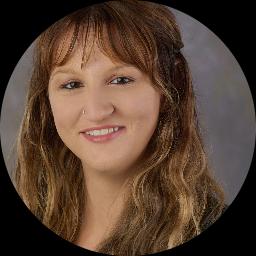
Chelsey Lee, LPC, LCMHC
North Carolina · 5 years in practice
Chelsey Lee is a Licensed Professional Counselor (LPC) and a Licensed Clinical Mental Health Counselor (LCMHC) who helps people manage stress, anxiety, depression, grief, and the impact of trauma.
License and registration
- LCMHC, North Carolina
- 17540 · expires June 2026
- LPC, South Carolina
- 9695 · expires August 2027
- NPI
- 1316722739 · national provider identifier
- Years in practice
- 5
- Languages
- English
Details are as listed on the therapist's public professional profile. You can check the license with the issuing state board, and the NPI with the national registry.
About Chelsey
Chelsey Lee is a Licensed Professional Counselor (LPC) and a Licensed Clinical Mental Health Counselor (LCMHC) who helps people manage stress, anxiety, depression, grief, and the impact of trauma. She focuses on building confidence and improving self-esteem. Her work also addresses ADHD, bipolar mood concerns, and LGBTQ-related issues.
Chelsey practices in North Carolina and brings five years of professional experience to her sessions. Chelsey keeps sessions straightforward and grounded. She listens first, then helps clients set clear, achievable goals.
Background and approach
Conversations cover coping skills, problem solving, and ways to steady emotions when life feels overwhelming. Her style is warm and nonjudgmental. Clients can expect a calm space to talk through painful events and upsetting thoughts.
Chelsey encourages self-compassion and practical steps that build day-to-day stability. She uses techniques from client-centered work, cognitive behavioral approaches, and mindfulness. That can mean noticing thought patterns, trying new behaviors, or practicing simple breathing and attention exercises.
Chelsey also uses strategies from dialectical behavior therapy and solution-focused work to handle intense emotions and move toward specific goals. People reach out for help with life transitions, relationship strain, body image, or challenges around pregnancy and fertility. Chelsey supports those coping with end-of-life care, forgiveness work, and the search for life purpose.
She aims to partner with each person to find realistic changes that fit their life.
Focus areas and approaches
Everything Chelsey lists on their public professional profile, in their own terms.
- Stress, Anxiety
- Trauma and abuse
- Grief
- Self esteem
- LGBT
- Family conflicts
- Bipolar disorder
- Depression
- Coping with life changes
- ADHD
- Aging and geriatric issues
- Body image
- Divorce and separation
- Fertility issues
- Forgiveness
- Gender dysphoria
- Guilt and shame
- Hospice and end-of-life counseling
- Impulsivity
- Infidelity
- Life purpose
- Mood disorders
- Pregnancy and childbirth
- Self-love
- Social anxiety and phobia
- Women's issues
- Young adult issues
Approaches Chelsey names
- Client-Centered Therapy
- Cognitive Behavioral Therapy (CBT)
- Dialectical Behavior Therapy (DBT)
- Mindfulness Therapy
- Solution-Focused Therapy
Naming an approach is not evidence of training in it. This directory copies what each therapist lists and does not check training records.
Online support
How Chelsey’s Approaches Work Online
Client-centered work focuses on creating a respectful, listening space where people feel heard and can explore what matters most to them. This approach helps when someone needs to sort through feelings and decide next steps. Cognitive Behavioral Therapy, or CBT, looks at how thoughts and actions affect mood and teaches practical exercises to change unhelpful patterns. CBT is often useful for anxiety, depression, and stress. Dialectical Behavior Therapy, DBT, includes skills for managing intense emotions and improving emotional regulation; it offers concrete coping tools for impulsivity, strong mood shifts, and relationship stress.Choosing the right approach is part of the work together. The therapist will talk with the client about goals, symptoms, and what feels most useful. Decisions about techniques are collaborative and can change as progress or new needs appear.
Online sessions are offered by video calls, phone sessions, live chat, or text-based messaging to make therapy more flexible. Video lets people use face-to-face interaction when helpful. Phone sessions work well when bandwidth is limited or a calmer check-in is needed. Live chat and messaging are useful for shorter check-ins, practicing skills between sessions, or when typing fits someone’s routine. These options help fit therapy into a busy life and make it easier to keep regular appointments.
We will earn a commission if you sign up through our link, at no cost to you. It does not change what you pay or the order of the listings.
Questions people ask
What concerns does Chelsey help with?
Chelsey works with stress, anxiety, trauma and abuse, grief, self-esteem, depression, bipolar mood concerns, ADHD, and LGBTQ-related questions. She also addresses life changes, body image, infertility and related issues.
How would you describe her therapeutic style?
Her approach is warm and nonjudgmental, focused on listening first and helping people set clear goals. Sessions mix supportive conversation with practical coping skills.
What is her professional background?
Chelsey has five years of professional experience working with people on mood, anxiety, trauma, and self-esteem concerns. She aims to help clients build confidence and steady daily routines.
Where is she licensed and based?
She holds the LPC credential and the LCMHC credential and practices in North Carolina. The profile lists licensure in those states as provided.
Which languages are offered and are international clients accepted?
Sessions are offered in English. International clients are not currently accepted.
What session formats are available?
Therapy is offered via video calls, phone sessions, live chat, or text-based messaging to fit different schedules and needs.
How are costs handled?
Session costs vary with location and therapist availability and use a subscription model that can be canceled at any time.
How do I get started with therapy?
To begin, select the Start Therapy button, complete a short matching questionnaire, and schedule sessions according to the therapist's availability.
More therapists in North Carolina
See allPamela Peoples
LCSW
Experienced LCSW helping with anxiety and life changes
- Stress, Anxiety
- Self esteem
- Depression
Dr. James Hunter Jr
LCMHC
Experienced counselor for life transitions
- Stress, Anxiety
- Depression
- Relationship
Dr. Kendra Corning
NC Psychologist
Compassionate psychologist guiding real-life change
- Stress, Anxiety
- Trauma and abuse
- Grief

Is this your profile?
Ask us to correct details or take the page down.
Contact us