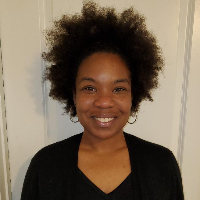
Dr. James Hunter Jr
LCMHC
Experienced counselor for life transitions
- Stress, Anxiety
- Depression
- Relationship
North Carolina 19 years in practice
Clinical social work directory
136 therapists list Emotionally-Focused Therapy (EFT) among the ways they work. Naming an approach is not evidence of training in it, so ask directly how they use it.
Emotionally-Focused Therapy (EFT) is an approach that helps people and couples identify and shift the emotional patterns that shape their relationships and responses. Below you can browse North Carolina therapists who list Emotionally-Focused Therapy (EFT) among their approaches to find clinicians whose style may fit your needs.
LCMHC
Experienced counselor for life transitions
LCMHC
Practical, culturally aware counseling for everyday struggles
LCMHC
Helping people deal with stress and life changes
LMFT
Compassionate, practical therapy for relationships and parenting
LCMHC
Compassionate, practical therapy for anxiety and trauma
LCMHC
Practical support for stress and relationships
LMFT
Compassionate, practical support for relationship and anxiety concerns
LCSW
Practical, steady support for stress and recovery
LCMHC
Compassionate counselor for stress and relationships
LCSW
Compassionate, practical therapy for life challenges
LMFT
Experienced LMFT focused on relationships and life change
LCSW, LISW-CP
Faith-informed social worker focused on healing
Empathetic, practical support for life and relationships
LCSW
Compassionate, practical therapy for real-life struggles
LCMHC
Hopeful, practical therapy for daily life
Practical counseling for recovery and life change
NC Psychologist
Practical, goal-focused therapy in North Carolina
Practical, person-focused therapy with experience
LCMHC
Practical, respectful counseling for complex issues
LCMHC
Practical, person-focused counseling for life challenges
LCSW
Practical skills for stress, relationships, and healing
LCSW
Experienced LCSW for complex emotional challenges
LMFT
Calm, practical therapy focused on real-life change
LCSW
Helping people build steady, practical coping skills
LMFT
Practical, relationship-focused therapy for adults
LCSW
Helping adults build clearer boundaries and purpose
LCMHC
Practical support for stress and relationships
LCSW
Practical support for stress and relationship strain
LCMHC, LMFT
Steady, experienced counselor for life transitions
LCMHC, LPC
Experienced online counselor for relationship and trauma concerns
LMFT
Focused, practical therapy for stress and trauma
LCSW
Practical therapy for stress and relationships
LCSW
Practical support for stress and relationships
LCSW, LISW-CP
Therapist focused on practical emotional coping
LCMHC
Practical, whole-person counseling for stressful times
LPC, LCMHC
Therapist focused on practical support
LCMHC
Practical support for stress and relationship strain
LPCC, LPC
Practical, compassionate counseling for everyday struggles
Some links on this page are partner links. We will earn a commission if you sign up through one, at no cost to you. It does not change what you pay or the order of the listings.
Emotionally-Focused Therapy (EFT) is a therapy approach grounded in the idea that emotions are central to the way you experience yourself and relate to others. Rather than treating emotions as obstacles, EFT treats them as key sources of information. The work focuses on helping you recognize, access, and reshape emotional responses so that you can form more adaptive patterns in relationships and in how you face personal challenges. The approach often draws from attachment theory, which emphasizes the importance of safety and responsive connection in close relationships, and from experiential techniques that help you get in touch with feelings in the moment.
In practical terms, EFT emphasizes the therapeutic relationship as a place where new interaction patterns can be explored. Your therapist helps you notice recurring emotional cycles, understand the underlying needs and fears those emotions point to, and experiment with different ways of expressing needs and responding to others. Sessions are generally collaborative and focused on emotional processing rather than on purely cognitive strategies. The aim is not only to reduce symptoms you may be struggling with but also to create more supported, satisfying ways of relating to others and to yourself.
EFT is frequently sought for concerns that involve emotions and interpersonal patterns. Many people come to EFT for help with relationship distress, including frequent conflict, withdrawal, or a sense of disconnection from a partner. The approach is commonly used in couples work because it targets the interactional cycles that keep partners stuck and helps them develop new patterns of emotional engagement. Beyond couples, EFT can be helpful for individuals dealing with anxiety that stems from interpersonal worry, persistent sadness that is tied to attachment losses, or difficulty managing strong emotions.
People also pursue EFT when emotional avoidance or suppression interferes with daily life. If you notice that you repeatedly shut down, react defensively, or feel overwhelmed by emotions in situations where you want different outcomes, EFT techniques can help you explore those patterns in a focused way. The approach is adaptable to a variety of life stages and relationship types, and many clinicians use EFT strategies alongside other therapeutic tools to address concerns like grief, trauma-related emotional responses, and parenting challenges where emotional attunement matters.
If you enter an EFT session, you can expect a process that centers on in-the-moment emotional experience. Sessions often begin with your therapist inviting you to describe what is coming up for you right now, both in terms of feeling and bodily experience. The therapist will help you slow down and pay attention to subtle shifts in emotion, naming feelings and the needs behind them. For couples, this may involve guiding each partner to express vulnerable emotions while the other listens in a way that fosters connection rather than reactivity.
The therapist may use reflection, gentle inquiry, and experiential interventions to deepen awareness. You might be asked to try out a new way of articulating a need or to bring attention to a part of the experience you have previously avoided. Rather than focusing solely on problem-solving or behavioral homework, EFT emphasizes transformation of emotional responses by creating corrective emotional experiences in session. Over time, these in-session shifts aim to reorganize how you respond outside therapy, creating more flexible and resilient emotional patterns.
EFT differs from cognitive and behavioral approaches in its central emphasis on emotion as the agent of change. Cognitive-behavioral methods often focus on identifying and modifying thoughts and behaviors, while EFT places primary emphasis on accessing and reshaping emotional experiences to alter patterns of interaction. This does not mean that EFT ignores thoughts and behavior; rather, it prioritizes emotional processing as the pathway through which thoughts and behaviors become more adaptive.
Compared with insight-oriented or psychodynamic therapies, EFT tends to be more focused on present-moment experience and interactional patterns. It uses experiential techniques to evoke and work with feelings in session, which can lead to quicker shifts in how you relate emotionally to yourself and others. Compared to problem-focused brief therapies, EFT may take a relational and process-oriented route, spending more time exploring how emotions play out between people and less time on symptom checklists. The choice between approaches often comes down to the kinds of change you are looking for - whether you want to build new emotional responses, change thinking patterns, modify behavior, or explore deeper historical themes that shape your present experience.
EFT can be a strong fit if you are motivated to understand and shift emotional patterns that affect your relationships and personal wellbeing. If you notice repeated cycles of withdrawal, criticism, fear of abandonment, or emotional numbness that interfere with connection, you may find the EFT focus on emotion and attachment particularly helpful. EFT is often recommended when the goal is to improve emotional engagement - for example, rebuilding trust after a breach, learning to express vulnerability without escalating conflict, or managing intense emotions with greater awareness. Because sessions emphasize in-the-moment emotional exploration, it can be well suited to people who are open to experiential work and to couples who want to change interactional patterns rather than only address individual symptoms.
When searching on a directory, look for clinicians who list Emotionally-Focused Therapy (EFT) among their approaches so you can find options that align with this style. Compare therapist profiles by reading how they describe their focus areas, the populations they work with, and the kinds of concerns they highlight. Pay attention to credentials and professional background to understand the context of a clinician's work, and note languages and experience that may influence how comfortable you feel in sessions. A helpful next step is to read clinician statements about their approach to therapy to see whether their emphasis on emotions, attachment, or experiential techniques matches what you are seeking.
When you reach out to a potential clinician, you might ask questions about how they typically structure EFT-informed work and what a short series of sessions might aim to accomplish. Many people find it useful to inquire about how the therapist integrates emotional exploration with other tools when needed. This helps you form a sense of how well their style and focus fit with your goals. Ultimately, the right match is as much about the relationship and communication style as it is about listed approaches, so consider whether a clinician's description and demeanor feel like a place where you can engage in honest emotional work.
Emotionally-Focused Therapy can offer a clear path for people who want to transform how they experience and express emotions within relationships and in daily life. By understanding its principles, the types of issues it addresses, and what to expect in sessions, you can make an informed choice as you explore therapists who list Emotionally-Focused Therapy (EFT) among their approaches on this site.