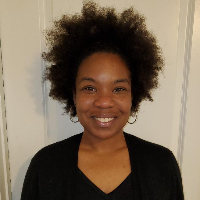
Pamela Peoples
LCSW
Experienced LCSW helping with anxiety and life changes
- Stress, Anxiety
- Self esteem
- Depression
North Carolina 16 years in practice
Clinical social work directory
334 therapists list abandonment among the things they work with. All offer sessions online, and every profile shows the registering body, the membership number and when it runs to.
This page connects you with North Carolina therapists who list abandonment among their specialties. Browse profiles below to compare focus areas, approaches, credentials, languages, and experience. Use the listings to identify clinicians whose background aligns with what you want from therapy.
LCSW
Experienced LCSW helping with anxiety and life changes
LCMHC
Experienced counselor for life transitions
LCSW
Practical, supportive therapy for emotional healing
LCSW
Practical strategies for stress and relationships
LCMHC
Practical, values-focused counseling for adults
LCMHC
Helping people deal with stress and life changes
LCMHC, LPC
Practical, faith-informed therapy for stress and grief
LCMHC
Somatic-informed counselor focused on practical change
LMFT
Compassionate, practical support for relationship and anxiety concerns
LCMHC
Practical, values-focused counseling for everyday life
LCSW
Practical trauma-informed support for daily life
LCSW
Practical, steady support for stress and recovery
LCSW
Empathetic LCSW helping people find practical progress
LCMHC
Compassionate counseling for anxiety and relationship pain
LCSW, LISW-CP
Practical support for stress and life change
LCSW, LISW-CP
Calm, practical therapy for life transitions
LCMHC
Compassionate counselor for stress and relationships
LCSW, LCSW-R
Experienced LCSW helping people manage stress and loss
LPC, LCMHC
Practical support for stress and trauma recovery
LCMHC
Practical therapy focused on real-life change
LCMHC
Experienced counselor focused on practical support
LMFT
Experienced LMFT focused on relationships and life change
LCSW
Skilled, practical therapy with a coaching mindset
LCSW, LISW-CP
Faith-informed social worker focused on healing
LCSW, LISW-CP
Compassionate, practical support for life's hard moments
LMFT
Skilled therapist focused on practical change
LCSW
Compassionate, practical therapy for everyday struggles
LPC
Practical, person-centered care for life changes
LCMHC
Calm, practical counseling for life’s tough moments
Practical, person-focused therapy for life changes
LCMHC
Hopeful, practical therapy for daily life
Practical counseling for recovery and life change
NC Psychologist
Practical, goal-focused therapy in North Carolina
Focused practical therapy for life’s hard moments
Compassionate counselor for mood and trauma
LCSW
Helping people recover, rebuild, and move forward
LCMHC
Compassionate counselor focused on practical change
LPC
Compassionate counseling focused on practical change
LCMHC
Practical therapy for stress and relationship concerns
Some links on this page are partner links. We will earn a commission if you sign up through one, at no cost to you. It does not change what you pay or the order of the listings.
Abandonment refers to a deep fear or experience of being left alone, rejected, or cut off from important relationships. You might trace it to early childhood events, loss of a caregiver, repeated relationship breakups, or sudden shifts in family circumstances. For many people, abandonment is not a single event but a pattern that shapes how you relate to others, manage stress, and form expectations about trust and safety. It can influence the stories you tell yourself about worthiness and reliability, and it often shows up in relationships long after the original loss.
The emotional effects of abandonment can take a variety of forms. You may notice intense anxiety when partners are not immediately responsive, or you might pull away preemptively to avoid being hurt. Some people experience persistent sadness, an ongoing sense of emptiness, or difficulty maintaining stable relationships. Others find that past losses resurface during life transitions such as becoming a parent, moving, or ending a long-term relationship. While these responses are painful, therapy can help you untangle the patterns that keep the wound active and develop new ways of relating that feel more manageable and less reactive.
If you are wondering whether therapy would help, pay attention to recurring thoughts and behaviors that interfere with everyday life. You may notice intense reactions to perceived rejection, frequent testing of partners to see if they will stay, or chronic worry that people will leave you. You might also feel emotionally drained by relationships, alternating between clinging and pushing others away. These patterns can show up at work, in friendships, and in family relationships, making it harder to concentrate, sleep, or take care of yourself.
Other indications include difficulty trusting others even when they act reliably, a tendency to idealize people and then sharply devalue them, and lingering grief that does not ease over time. If past disruptions in care continue to shape your decisions - such as avoiding intimacy or choosing partners who are emotionally unavailable - therapy can offer a clearer view of how those early experiences influence your present. Seeking help is not a sign of weakness; it is a practical step toward learning tools to regulate emotion and build healthier connections.
In the first few sessions you can expect a conversation about your history and current concerns. A therapist will typically ask about relationship patterns, family of origin, important losses, and how your difficulties affect daily life. This assessment helps identify goals you want to work on and the approaches that may suit you. You and the clinician will shape a collaborative plan that reflects both your priorities and what feels tolerable in therapy.
Therapy for abandonment issues often combines emotional exploration with skill-building. You might work on recognizing the triggers that activate anxious or avoidant responses, practicing ways to soothe intense feelings, and learning new communication strategies for relationships. Some sessions will focus on processing past losses and reframing negative self-beliefs, while others will introduce tools to manage stress in the moment. Progress is usually gradual and may involve trying different strategies to see what helps you feel steadier in relationships.
Therapy aimed at abandonment-related concerns generally moves at a pace you can tolerate. Sometimes revisiting early wounds can feel intense, so clinicians often combine insight work with grounding and emotion-regulation practices to keep you functioning between sessions. You should expect ongoing tracking of goals and regular discussion of what is helping or what feels too hard, so the work remains practical and relevant to your life.
Therapists use a range of approaches when addressing abandonment, and many clinicians combine elements from several schools of thought to fit your needs. You may encounter therapists who list attachment-informed therapy among their approaches, which focuses on how early bonds shape current relationship expectations. Others may describe relational or psychodynamic work, which explores the deeper patterns and relational scripts that repeat across your life. Cognitive-behavioral strategies can help you challenge unhelpful thoughts and build new behavioral responses to perceived rejection.
Some profiles will list experiential or somatic approaches that emphasize bodily awareness and regulation, helping you notice how anxiety or disconnection shows up physically. You may also see therapists who list trauma-informed methods among their approaches; these approaches attend carefully to how overwhelming experiences affect the nervous system and relational trust. If particular words or modalities are important to you, look for clinicians who mention them in their approach descriptions so you can discuss how those ideas might be used in sessions.
Online therapy offers a way to work on abandonment-related concerns from home or another comfortable space, using video, phone, or messaging formats. Many people find that remote sessions remove barriers such as travel time and allow for greater scheduling flexibility. In an online session you will typically meet through a video connection that functions like a face-to-face visit. You can still engage in deep emotional work, practice communication skills in role-play, and receive real-time coaching from the clinician during interactions that would otherwise happen outside the therapy room.
To make the most of online work, choose a quiet, undisturbed environment where you can speak freely and focus. Consider how different modes - video, phone, or messaging - feel for you, since some people find video essential for nonverbal cues while others prefer the privacy of voice-only sessions. Discuss expectations around session structure, contact between sessions, and technology needs with a therapist during your initial conversations. Online therapy can be effective for processing abandonment if you and the clinician agree on a clear plan for safety, pacing, and practical follow-through between sessions.
When choosing a therapist, attend to how they describe their focus and the types of clients they work with. You will want someone who acknowledges abandonment-related issues and can explain how their approach helps with relationship fears, attachment wounds, or repeated losses. Read profiles for mentions of relational work, attachment, trauma-informed care, or specific methods you prefer. A good fit is often about how comfortable you feel with a clinician's style and language, not just the list of approaches on paper.
Credentials and years of experience can indicate a professional background, and language options may be decisive if you prefer therapy in a language other than English. Look for clinicians whose stated experience aligns with your concerns, such as working with relationship patterns, grief, or childhood separation. Keep in mind that listings describe what therapists choose to highlight about their work, so use those details to frame questions you want to ask during an introductory conversation.
As you review profiles, consider preparing questions that address how a clinician approaches abandonment-related issues, what a typical session looks like, and how they measure progress. You might ask how they balance exploring past experiences with building present-day coping skills, or what techniques they commonly use with clients who struggle with fear of rejection. It is also reasonable to inquire about logistical matters like session length, fee structure, and whether they work in-person, online, or both. These practical details help you determine whether a clinician's approach fits your needs.
Choosing a therapist is a personal process. You may need to speak with more than one clinician before finding someone whose style and approach resonate. Trust your sense of whether you can build a working relationship that allows you to explore painful themes and practice new ways of relating. With patience and intentional selection, therapy can help you reduce the hold of abandonment fears and move toward relationships that feel more manageable and satisfying.