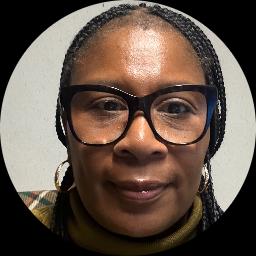
Dorothy Taylor, LCSW, CSW
Colorado · 11 years in practice
Dorothy Taylor, LCSW, CSW, offers practical, person-centered therapy for people facing stress, anxiety, depression, relationship struggles, and life transitions.
License and registration
- LCSW, Colorado
- CSW.09928015 · expires August 2027
- LCSW, North Carolina
- C016903 · expires February 2028
- LCSW, Virginia
- 0904018196 · expires June 2027
- NPI
- 1821499427 · national provider identifier
- Years in practice
- 11
- Languages
- English
Details are as listed on the therapist's public professional profile. You can check the license with the issuing state board, and the NPI with the national registry.
About Dorothy
Dorothy Taylor, LCSW, CSW, offers practical, person-centered therapy for people facing stress, anxiety, depression, relationship struggles, and life transitions. She works in North Carolina and draws on eleven years of clinical experience to guide clients through hard moments. Her tone is warm and straightforward, with a focus on real-world changes rather than jargon.
Dorothy helps people untangle relationship patterns, attachment concerns, and communication problems. She also supports those dealing with addiction, trauma and abuse, anger, and low self-esteem.
Background and approach
People with chronic illness, caregiver stress, fertility concerns, or blended family issues can expect a steady, nonjudgmental presence in sessions. Her style is collaborative and practical. She listens for what matters most, then helps set small, doable goals.
Sessions often focus on improving coping skills, clarifying values, and practicing new ways of relating to others. Dorothy aims to make therapy feel accessible. She offers multiple ways to connect so people can choose what fits their schedule and comfort.
She also works with people who are navigating career stresses, life changes, or persistent worry. With a focus on cultural responsiveness, Dorothy honors each person's background and identity while working toward clearer relationships and steadier mood. Her approach is steady, action-oriented, and centered on helping clients build skills they can use outside of sessions.
Focus areas and approaches
Everything Dorothy lists on their public professional profile, in their own terms.
- Stress, Anxiety
- Relationship issues
- Family conflicts
- Self esteem
- Depression
- Addictions
- Trauma and abuse
- Anger management
- Career difficulties
- Coping with life changes
- Abandonment
- Attachment issues
- Avoidant personality
- Blended family issues
- Caregiver issues and stress
- Chronic pain, illness, and disability
- Codependency
- Commitment issues
- Communication problems
- Control issues
- Dependent personality
- Divorce and separation
- Family of origin issues
- Family problems
- Fertility issues
- Forgiveness
- Gender dysphoria
- Guilt and shame
- HIV / AIDS
- Hospice and end-of-life counseling
- Impulsivity
- Infidelity
- Isolation / loneliness
- Life purpose
- Midlife crisis
- Mood disorders
- Multicultural concerns
- Narcissism
- Panic disorder and panic attacks
- Personality disorders
- Phobias
- Postpartum depression
- Pregnancy and childbirth
- Prejudice and discrimination
- Self-harm
- Self-love
- Sexuality
- Social anxiety and phobia
- Women's issues
- Young adult issues
Online support
Evidence-based techniques and online therapy options
Two common approaches Dorothy uses are problem-focused skills work and attachment-focused conversations. Skills work teaches practical coping tools for anxiety, anger, and stress - for example breathing, grounding, and behavioral steps to change unhelpful routines. Attachment-focused conversations look at how early relationship patterns shape current connections and communication, which can help with commitment worries, abandonment fears, and codependency.Finding the right approach is part of therapy. Dorothy partners with each person to choose methods that match their goals and preferences. She checks in regularly and adjusts the plan as needed so the work stays relevant and manageable.
Online therapy offers several practical benefits. Video calls let people see facial cues and practice new communication skills in real time. Phone sessions are an option when bandwidth is limited or for a quick check-in. Live chat and text-based messaging support brief updates, coping prompts, or ongoing reflection between sessions. These formats make it easier to fit therapy into a busy life and to keep momentum between meetings.
We will earn a commission if you sign up through our link, at no cost to you. It does not change what you pay or the order of the listings.
Questions people ask
What issues does Dorothy commonly help with?
She helps people manage stress, anxiety, depression, relationship and family concerns, and coping with life changes. Additional focus areas include addiction, trauma and abuse, self-esteem, anger, and career stress.
What is Dorothy's approach to therapy?
Her work is collaborative and person-centered, focusing on practical skills and clearer communication. Sessions aim to set small goals and practice strategies that fit daily life.
How much clinical experience does she have?
She has eleven years of clinical experience working with a range of emotional and relational concerns. That background informs a steady, practical style in sessions.
Where is Dorothy based and what are her credentials?
She practices in North Carolina and holds the credentials LCSW and CSW. Those credentials are listed as part of her professional background.
Can I work with her if I live outside the U.S.?
Sessions are offered in English and she accepts international clients. Prospective clients should confirm scheduling details across time zones.
What session formats does she offer?
She provides video calls, phone sessions, live chat, and text-based messaging to fit different needs and schedules. Clients can choose the format that feels most practical for them.
How much do sessions cost?
Cost varies with location and therapist availability and sessions use a subscription model. The subscription can be canceled at any time.
How do I get started if I want to work together?
Begin by selecting the Start Therapy button, complete the short matching questionnaire, and then schedule according to therapist availability. That process helps match needs and preferences with scheduling.
More therapists in North Carolina
See allPamela Peoples
LCSW
Experienced LCSW helping with anxiety and life changes
- Stress, Anxiety
- Self esteem
- Depression
Dr. James Hunter Jr
LCMHC
Experienced counselor for life transitions
- Stress, Anxiety
- Depression
- Relationship
Dr. Kendra Corning
NC Psychologist
Compassionate psychologist guiding real-life change
- Stress, Anxiety
- Trauma and abuse
- Grief

Is this your profile?
Ask us to correct details or take the page down.
Contact us