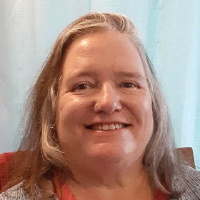
Sharon Hollandsworth, LCSW
North Carolina · 40 years in practice
Sharon Hollandsworth is a Licensed Clinical Social Worker with four decades of experience helping people manage stress, anxiety, depression, trauma, and life changes.
License and registration
- LCSW, North Carolina
- C001209 · expires January 2028
- NPI
- 1962546135 · national provider identifier
- Years in practice
- 40
- Languages
- English
Details are as listed on the therapist's public professional profile. You can check the license with the issuing state board, and the NPI with the national registry.
About Sharon
Sharon Hollandsworth is a Licensed Clinical Social Worker with four decades of experience helping people manage stress, anxiety, depression, trauma, and life changes. She practices in North Carolina and brings a steady, practical style to sessions. Sharon aims to create a supportive space where people can talk through what feels hard and begin to make small, useful changes.
Sharon starts by listening closely to what a person is experiencing and what they want from counseling.
Background and approach
She uses a client-centered way of working, so the plan grows from the person’s goals and concerns. Early sessions focus on identifying problems and finding priorities for change. Alongside supportive conversation, Sharon teaches skills to manage feelings and daily struggles.
That includes relaxation techniques, focus and interpersonal skills, and steps for solving problems. These practices are introduced gradually and tailored to what helps each person most. She also combines problem-solving work with strategies from cognitive behavioral and dialectical behavior approaches to reduce anxiety and strong emotional reactions.
Emotionally-focused and existential ideas help people examine meaning, connections, and values when that fits the situation. Sharon’s background includes work in community mental health and community health centers around Raleigh and Durham. She holds a Master of Social Work degree and brings long experience in individual and group settings.
She welcomes questions when someone is ready to begin scheduling.
Focus areas and approaches
Everything Sharon lists on their public professional profile, in their own terms.
- Stress, Anxiety
- Trauma and abuse
- Anger management
- Self esteem
- Depression
- Addictions
- LGBT
- Relationship issues
- Family conflicts
- Grief
- Intimacy-related issues
- Eating disorders
- Sleeping disorders
- Parenting issues
- Career difficulties
- Bipolar disorder
- Coping with life changes
Approaches Sharon names
- Client-Centered Therapy
- Cognitive Behavioral Therapy (CBT)
- Dialectical Behavior Therapy (DBT)
- Emotionally-Focused Therapy (EFT)
- Existential Therapy
- Mindfulness Therapy
- Motivational Interviewing
- Psychodynamic Therapy
- Solution-Focused Therapy
- Trauma-Focused Therapy
Naming an approach is not evidence of training in it. This directory copies what each therapist lists and does not check training records.
Online support
How core approaches guide online therapy
Client-centered therapy means sessions begin by listening to what matters most to the person and shaping the work around their goals. This approach helps people feel heard and keeps practical priorities at the center of each session.Cognitive behavioral therapy, or CBT, focuses on identifying unhelpful thoughts and testing new ways of responding. It is useful for anxiety, depression, and managing everyday stress through clear, step-by-step techniques.
Dialectical behavior therapy, or DBT, teaches concrete skills for emotion regulation, distress tolerance, and improving relationships. These skills can reduce overwhelming reactions and help people stay calm during difficult moments.
Finding the right approach is part of the work together. The therapist will discuss options and help decide which methods match the client’s needs, goals, and preferences. This is a collaborative process and may change as progress is made.
Online sessions are offered by licensed professionals in video calls, phone sessions, live chat, and text-based messaging. Video calls allow face-to-face conversation, phone sessions can be easier when bandwidth is limited, live chat suits shorter check-ins, and text messaging supports ongoing reflection between sessions. These formats make therapy more flexible and easier to fit into busy lives.
We will earn a commission if you sign up through our link, at no cost to you. It does not change what you pay or the order of the listings.
Questions people ask
What concerns does Sharon commonly address?
She works with stress, anxiety, depression, trauma and abuse, anger, self-esteem, addictions, relationship and intimacy issues, grief, eating and sleeping problems, parenting and career concerns, bipolar disorder, and coping with life changes.
How would you describe her therapeutic style?
Her style is client-centered and supportive, focusing on listening first and then introducing problem-solving and skills training that match the person's needs.
What is her professional background?
She has 40 years of experience in community mental health and community health centers, working in individual and group therapy settings.
What credentials and location are listed?
She is a Licensed Clinical Social Worker - LCSW - licensed in North Carolina and practices in that state.
Which languages are sessions offered in?
Sessions are offered in English.
What session formats are available?
Sharon offers video calls, phone sessions, live chat, and text-based messaging to fit different schedules and preferences.
How does pricing work for sessions?
Cost varies with location and therapist availability and sessions are delivered through a subscription that can be canceled at any time.
How do I begin working with her?
Click the Start Therapy button, complete a short matching questionnaire, and then schedule sessions according to therapist availability.
More therapists in North Carolina
See allPamela Peoples
LCSW
Experienced LCSW helping with anxiety and life changes
- Stress, Anxiety
- Self esteem
- Depression
Dr. James Hunter Jr
LCMHC
Experienced counselor for life transitions
- Stress, Anxiety
- Depression
- Relationship

Dr. Kendra Corning
NC Psychologist
Compassionate psychologist guiding real-life change
- Stress, Anxiety
- Trauma and abuse
- Grief

Is this your profile?
Ask us to correct details or take the page down.
Contact us