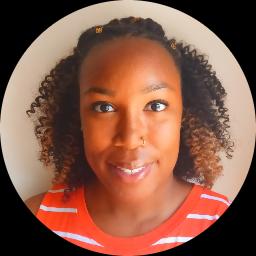
Rachel Kilgore, LCMHC
North Carolina · 10 years in practice
Rachel Kilgore is a Licensed Clinical Mental Health Counselor (LCMHC) with ten years of experience.
License and registration
- LCMHC, North Carolina
- 10748 · expires June 2026
- NPI
- 1619387297 · national provider identifier
- Years in practice
- 10
- Languages
- English
Details are as listed on the therapist's public professional profile. You can check the license with the issuing state board, and the NPI with the national registry.
About Rachel
Rachel Kilgore is a Licensed Clinical Mental Health Counselor (LCMHC) with ten years of experience. She approaches people with patience and a nonjudgmental attitude. She aims to teach practical skills that help with everyday life and recovery from substance concerns.
Rachel meets people where they are and focuses on clear, usable tools. Her counseling style centers the person and often includes cognitive behavioral techniques. She has worked in a range of settings including jails, inpatient detox, and outpatient care, which shaped her practical approach to problems.
Background and approach
Common concerns she addresses include anxiety, depression, trauma and abuse, bipolar mood patterns, and issues around relationships and intimacy. She also supports people with eating and body image struggles, anger and impulsivity, grief, and stress from life changes. Rachel incorporates straightforward strategies to manage symptoms and build coping skills.
Sessions tend to focus on identifying patterns, trying small changes, and practicing new responses between meetings. She emphasizes skills that people can use right away. Outside of clinical work, she enjoys working out, spending time outdoors, and being with family.
Rachel practices in North Carolina and offers services in English.
Focus areas and approaches
Everything Rachel lists on their public professional profile, in their own terms.
- Addictions
- Relationship issues
- Trauma and abuse
- Bipolar disorder
- Depression
- Stress, Anxiety
- Family conflicts
- Grief
- Intimacy-related issues
- Eating disorders
- Anger management
- Self esteem
- Career difficulties
- Coping with life changes
- Abandonment
- Body image
- Codependency
- Commitment issues
- Control issues
- Coping with natural or human-caused disaster
- Disruptive Mood Dysregulation Disorder (DMDD)
- Divorce and separation
- Domestic violence
- Drug and alcohol addiction
- Eating and food-related issues
- Family problems
- Forgiveness
- Impulsivity
- Isolation / loneliness
- Life purpose
- Money and financial issues
- Mood disorders
- Panic disorder and panic attacks
- Postpartum depression
- Post-traumatic stress
- Pregnancy and childbirth
- Seasonal Affective Disorder (SAD)
- Self-harm
- Sex addiction
- Women's issues
Online support
How specific approaches work online
Rachel often uses cognitive behavioral approaches that focus on spotting unhelpful thoughts and testing small behavior changes. This helps with anxiety, depression, mood swings, and many day-to-day struggles by giving clear actions to try between sessions.She also practices a person-centered style that emphasizes listening and adapting to each person's needs. That approach helps people feel heard while they identify goals and practical steps toward them.
Choosing the right approach is part of the work. The therapist will collaborate with the client to decide which techniques fit best based on current needs and goals. They will try strategies, check what helps, and adjust the plan together.
Online therapy offers flexibility in how sessions happen. Video calls allow face-to-face conversation when a longer session is needed. Phone sessions work well for people with limited bandwidth or who prefer not to be on camera. Live chat and text-based messaging are useful for quick check-ins, short updates, or when a shorter format fits a busy day. These options make it easier to keep therapy consistent around work, family, and other responsibilities.
We will earn a commission if you sign up through our link, at no cost to you. It does not change what you pay or the order of the listings.
Questions people ask
What kinds of struggles does she help with?
She helps people facing anxiety, depression, trauma and abuse, bipolar mood concerns, addictions, relationship and intimacy issues, and grief among other concerns.
What is her general therapy style?
Her approach is person-centered and practical. She often uses cognitive behavioral techniques to teach skills people can use between sessions.
How long has she been practicing?
She has ten years of experience working in settings such as jails, inpatient detox, and outpatient care which informs her practical methods.
Where is she based and what credential does she hold?
She is based in North Carolina and holds the credential LCMHC, which stands for Licensed Clinical Mental Health Counselor.
Are sessions offered in other languages?
Sessions are offered in English.
What session formats are available?
She provides video calls, phone sessions, live chat, and text-based messaging to meet different needs and schedules.
How are sessions paid for and what do they cost?
Cost varies with location and therapist availability; sessions use a subscription model that can be canceled at any time.
How do I begin working with her?
To get started, select the Start Therapy button, fill out a short matching questionnaire, and schedule according to therapist availability.
More therapists in North Carolina
See allPamela Peoples
LCSW
Experienced LCSW helping with anxiety and life changes
- Stress, Anxiety
- Self esteem
- Depression
Dr. James Hunter Jr
LCMHC
Experienced counselor for life transitions
- Stress, Anxiety
- Depression
- Relationship
Dr. Kendra Corning
NC Psychologist
Compassionate psychologist guiding real-life change
- Stress, Anxiety
- Trauma and abuse
- Grief

Is this your profile?
Ask us to correct details or take the page down.
Contact us