
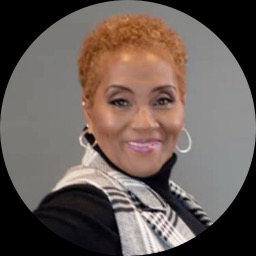
Akinlana Burrowes, LMHC, LCMHC
Massachusetts · 7 years in practice
Akinlana Burrowes is a Licensed Mental Health Counselor who helps people facing anxiety, depression, trauma, and the ongoing stress of daily life.
License and registration
- LMHC, Massachusetts
- LMHC12728 · expires December 2027
- LCMHC, North Carolina
- 18121 · expires June 2026
- NPI
- 1801440912 · national provider identifier
- Years in practice
- 7
- Languages
- English
Details are as listed on the therapist's public professional profile. You can check the license with the issuing state board, and the NPI with the national registry.
About Akinlana
Akinlana Burrowes is a Licensed Mental Health Counselor who helps people facing anxiety, depression, trauma, and the ongoing stress of daily life. She practices in North Carolina and uses a mix of talking and creative expression to match what each person needs. Her style aims to make people feel heard and more able to cope with strong feelings.
She draws on client-centered methods to keep the person’s goals at the center of sessions.
Background and approach
Cognitive Behavioral Therapy ideas are used when patterns of thought and behavior get in the way of daily functioning. Eye Movement Desensitization and Reprocessing, or EMDR, is one tool she may offer for processing past trauma. Akinlana also blends expressive arts and movement into sessions when words alone don’t capture someone’s experience.
That can mean using music, drawing, movement, or writing to open new ways of talking about pain and healing. This work is practical and hands-on rather than abstract. Her background includes cross-cultural work both in the United States and overseas with music, dance, visual art, drama, and poetry.
Over seven years she has supported people dealing with discrimination, workplace strain, relationship betrayals, and grief linked to big life changes. Sessions focus on building coping skills, reducing symptoms like panic or low mood, and addressing issues such as self-esteem, guilt, and compassion fatigue. She aims to help people find clearer direction, stronger boundaries, and more self-compassion as they move forward.
Focus areas and approaches
Everything Akinlana lists on their public professional profile, in their own terms.
- Stress, Anxiety
- Trauma and abuse
- Self esteem
- Depression
- Coping with life changes
- Anger management
- Compassion fatigue
- Communication problems
- Dissociation
- Guilt and shame
- Infidelity
- Life purpose
- Money and financial issues
- Multicultural concerns
- Panic disorder and panic attacks
- Post-traumatic stress
- Prejudice and discrimination
- Seasonal Affective Disorder (SAD)
- Self-love
- Social anxiety and phobia
- Women's issues
- Workplace issues
- Young adult issues
Approaches Akinlana names
- Client-Centered Therapy
- Cognitive Behavioral Therapy (CBT)
- Dialectical Behavior Therapy (DBT)
- Eye Movement Desensitization and Reprocessing (EMDR)
- Mindfulness Therapy
- Motivational Interviewing
- Trauma-Focused Therapy
Naming an approach is not evidence of training in it. This directory copies what each therapist lists and does not check training records.
Online support
How expressive and skills-based approaches work online
Akinlana often blends client-centered work with Cognitive Behavioral Therapy (CBT) and Eye Movement Desensitization and Reprocessing (EMDR). Client-centered work focuses on listening, reflecting, and following the person’s goals to build trust and clarity. CBT looks at thought and behavior patterns and teaches practical skills to reduce anxiety, panic, and low mood. EMDR involves structured processing of traumatic memories to reduce their emotional intensity and the symptoms that follow.Finding the right approach is a collaborative process. The therapist will talk with the person about symptoms, history, and preferences and then try tools that fit their needs. Sessions may shift over time so practical skills, reflective conversation, and expressive methods can be combined as progress is made.
Online work is offered through video calls, phone sessions, live chat, or text-based messaging to make therapy more flexible. Video calls allow face-to-face interaction and use of movement or art prompts when appropriate. Phone sessions can be a lower-bandwidth option for a focused check-in. Live chat and text-based messaging are useful for shorter check-ins, ongoing support between sessions, or when writing helps someone process emotions.
We will earn a commission if you sign up through our link, at no cost to you. It does not change what you pay or the order of the listings.
Questions people ask
What concerns does this therapist help with?
She helps people with stress, anxiety, depression, trauma and abuse, self-esteem, anger, and compassion fatigue, along with related issues like panic attacks, post-traumatic stress, and workplace problems.
How would you describe the therapy style?
Therapy combines client-centered conversation with practical techniques from cognitive behavioral and dialectical behavior approaches, plus expressive arts when helpful.
What is her clinical experience?
She has seven years of clinical experience working cross-culturally and with expressive arts alongside psychotherapy.
What credentials and location are listed?
She holds the credential MA LMHC and is listed as an NC LCMHC practicing in North Carolina.
Can sessions be conducted in other languages or internationally?
Sessions are offered in English and she accepts international clients.
What session formats are available?
Sessions can take place via video calls, phone sessions, live chat, or text-based messaging to fit different needs and schedules.
How does cost and billing work?
Cost varies with location and therapist availability; therapy uses a subscription model that can be canceled at any time.
What are the first steps to begin therapy?
To start, choose the Start Therapy button, complete a short matching questionnaire, and then schedule sessions based on the therapist's availability.
More therapists in North Carolina
See allPamela Peoples
LCSW
Experienced LCSW helping with anxiety and life changes
- Stress, Anxiety
- Self esteem
- Depression
Dr. James Hunter Jr
LCMHC
Experienced counselor for life transitions
- Stress, Anxiety
- Depression
- Relationship


Dr. Kendra Corning
NC Psychologist
Compassionate psychologist guiding real-life change
- Stress, Anxiety
- Trauma and abuse
- Grief

Is this your profile?
Ask us to correct details or take the page down.
Contact us