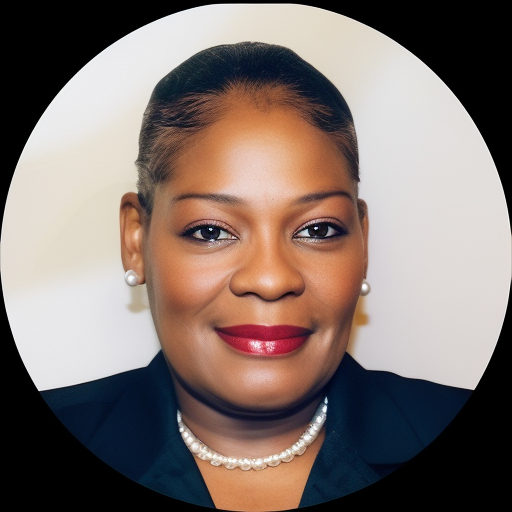
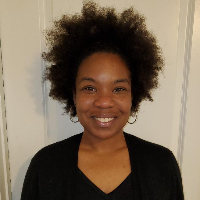
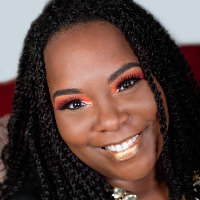
Pamela Peoples
LCSW
Experienced LCSW helping with anxiety and life changes
- Stress, Anxiety
- Self esteem
- Depression
North Carolina 16 years in practice
Clinical social work directory
441 therapists in this directory list Licensed Clinical Social Worker (LCSW). Registration details are shown as each therapist lists them; the body's own public register is the place to check a number.
A Licensed Clinical Social Worker (LCSW) is a clinical social work license granted after graduate education and supervised clinical experience. Browse the verified LCSW therapists below to view profiles, specialties and stated approaches.
LCSW
Experienced LCSW helping with anxiety and life changes
LCSW
Practical, supportive therapy for emotional healing
LCSW
Practical strategies for stress and relationships
LCSW
Practical, goal-focused therapy for moving forward
LCSW, CSW
Experienced LCSW helping people navigate change
LCSW
Practical, strengths-based therapy for everyday struggles
LCSW
Compassionate, practical support for recovery
LCSW
Practical trauma-informed support for daily life
LCSW
Practical, steady support for stress and recovery
LCSW
Empathetic LCSW helping people find practical progress
LCSW, LISW-CP
Faith-aware counselor for stress and addiction
LCSW, LISW-CP
Practical support for stress and life change
LCSW
Practical, goal-focused therapy for everyday challenges
LCSW
Practical, person-centered care for life changes
LCSW
Compassionate, practical support for life’s challenges
LCSW, LISW-CP
Calm, practical therapy for life transitions
LCSW
Practical support for stress and life changes
LCSW
Compassionate, practical therapy for life challenges
LCSW, LCSW-R
Experienced LCSW helping people manage stress and loss
Experienced NC LCSW focused on practical support
LCSW
Skilled, practical therapy with a coaching mindset
LCSW, LISW-CP
Faith-informed social worker focused on healing
LCSW, LISW-CP
Compassionate, practical support for life's hard moments
LCSW
Compassionate, practical therapy for everyday struggles
Empathetic, practical support for life and relationships
LCSW
Compassionate, practical therapy for real-life struggles
Practical, person-focused therapy for life changes
LCSW
Experienced LCSW focused on practical coping strategies
LCSW
Mindful acceptance and practical skills for change
LCSW
Practical, person-centered therapy for daily life
Focused practical therapy for life’s hard moments
Practical, person-focused therapy with experience
LCSW
Practical, culturally aware therapy for life changes
LCSW
Helping people recover, rebuild, and move forward
Some links on this page are partner links. We will earn a commission if you sign up through one, at no cost to you. It does not change what you pay or the order of the listings.
When you see the LCSW designation, it indicates a clinician who has completed graduate-level education in social work and additional supervised clinical practice beyond that degree. The typical path begins with a master's degree in social work, followed by a period of supervised clinical experience and successful completion of the state clinical licensing examination. States set specific requirements for supervised hours, exam passage and ongoing continuing education, so the exact timeline and steps vary by jurisdiction. Licensure is issued by the state board that oversees social work practice, and many LCSWs also maintain continuing education to renew their license on a regular cycle.
Because licensure focuses on standards for practice and public oversight, an LCSW credential signals that a clinician met the state requirements to offer clinical social work services. That includes training in assessment, intervention strategies that address mental health and psychosocial needs, and work that integrates individual and system-level factors. The LCSW designation does not document every approach a clinician may use, but it does represent a regulated clinical license with defined expectations for education and supervised experience.
You may wonder how an LCSW differs from other mental health licenses you encounter. An LCSW is authorized to provide psychotherapy and clinical services, and many LCSWs also focus on connecting people with community resources, coordinating care across systems and addressing social determinants that affect well-being. Licensed professional counselors and marriage and family therapists typically emphasize psychotherapy and counseling within their respective training frameworks. Psychologists hold doctoral degrees and often provide psychological testing and specialized assessment services in addition to therapy. Each license brings a different educational emphasis and scope of practice, and those differences can influence how a clinician frames their work.
When comparing license types, think about the clinical background that matters most to your situation. If your concerns include complex social or environmental factors - such as housing, school or benefits systems - you may find a clinician with a social work background particularly attuned to those intersections. If you need specialized psychological testing, a doctoral-level psychologist may be the right match. An LCSW can address a broad range of mental health needs, and many work collaboratively with other professionals to ensure comprehensive care when that is helpful.
LCSW clinicians often work across a wide array of treatment areas because social work training emphasizes both individual clinical skills and systems-level thinking. You will find LCSWs who state specialties in areas such as trauma, depression, anxiety, grief, family and relationship concerns, child and adolescent issues, geriatric mental health, substance use, and adjustment to medical conditions. Many LCSWs also describe experience in settings like schools, hospitals, community clinics and non-profit organizations, where they address practical needs alongside emotional support.
When reviewing profiles, you will see therapists who list particular therapeutic approaches among their methods. Examples might include cognitive-behavioral techniques, narrative work, strengths-based practice or interventions that focus on family systems. Because profiles reflect what clinicians choose to list, you should rely on those statements to gauge whether a therapist’s stated focus aligns with your needs. If your concerns intersect with social or environmental stresses - such as employment, housing, or access to community services - LCSWs can bring focused attention to those elements as part of a clinical plan.
Verifying a clinician’s LCSW credential is an important step when you are researching options. Start with the state licensing board’s public license lookup, which typically lets you search by name or license number to confirm that a license is active and in good standing. The board record will often show the license type, status, expiration date and any disciplinary actions that have been recorded. If a therapist lists a license number on their profile, you can use that detail to find the exact record on the board website.
If the board’s online search does not provide enough detail, you can contact the board directly for clarification about a license status or history. Professional associations and employer pages sometimes list licensure details as well, but the state board is the primary source for official verification. Keep in mind that licensure rules differ by state, so what counts as an LCSW credential in one state may have a different name or requirements elsewhere. When in doubt, the licensing board for the state where the clinician practices is the most reliable resource.
Choosing an LCSW can offer particular advantages depending on your situation. Social work training often emphasizes a holistic view of a person within their environment, which can be helpful when life stressors, community resources or system navigation are central concerns. LCSWs frequently bring experience coordinating care and connecting people to services, which may be useful if you need support that spans clinical and practical domains. In clinical practice, many LCSWs combine psychotherapy skills with a strengths-based perspective that focuses on building coping strategies and resilience.
To evaluate whether an LCSW is a good fit, review profiles for stated focus areas, populations served and therapeutic approaches. Consider whether the clinician highlights experience with issues similar to yours - for example, trauma-informed practice, work with adolescents, or integration of behavioral health and medical care. You may also look at language abilities, cultural background or experience with communities relevant to your identity. These factors can shape the therapeutic relationship and influence how comfortable you feel discussing sensitive topics.
Start by reading therapist profiles to see how clinicians describe their work and the populations they serve. Pay attention to the phrasing clinicians use to describe their approaches - many will list methods they use rather than formal certifications. If a profile resonates, you can reach out to ask specific questions about the clinician’s experience, therapeutic style and how they typically structure sessions. It can be helpful to clarify logistical questions that matter to you, such as whether they work with individuals, couples or families, or whether they have experience with certain age groups. Trust your sense of fit - the relationship with your therapist is a key factor in whether you feel supported.
When you are comparing options, think about the balance between clinical expertise and how well you feel understood. You do not need to know everything about every credential to get started, but being informed about the LCSW designation and how a clinician describes their work will help you identify professionals who are more likely to meet your needs. Use public board tools to confirm licensure, read profiles to understand focus areas, and reach out to clinicians with questions that clarify their approach and background.