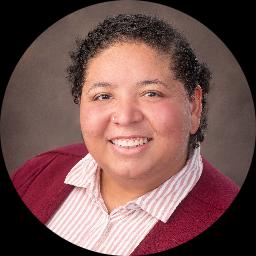
Rachelle Pinkney, LCMHC
North Carolina · 6 years in practice
Rachelle Pinkney is a licensed clinical mental health counselor who helps people in North Carolina facing life transitions and identity questions.
License and registration
- LCMHC, North Carolina
- 14691 · expires June 2027
- NPI
- 1437618303 · national provider identifier
- Years in practice
- 6
- Languages
- English
Details are as listed on the therapist's public professional profile. You can check the license with the issuing state board, and the NPI with the national registry.
About Rachelle
Rachelle Pinkney is a licensed clinical mental health counselor who helps people in North Carolina facing life transitions and identity questions. She focuses on clear, practical steps so clients can feel steadier and more confident in daily life. She often works with young adults sorting out self-esteem, family stress, and major changes.
Rachelle addresses anger and ADHD-related challenges with calm, direct support. She pays close attention to how culture, prejudice, and discrimination shape a person's experience.
Background and approach
Her practice includes helping people connected to adoption or foster care process the emotional impact of those experiences. Sessions aim to build coping skills, set realistic goals, and find strengths that matter in everyday routines. Rachelle takes a collaborative style.
She listens, asks practical questions, and offers straightforward strategies clients can try between sessions. The work is paced to each person’s needs and priorities. With six years of experience as an LCMHC - Licensed Clinical Mental Health Counselor - she blends attention to identity and culture with hands-on problem solving.
That mix helps people manage immediate struggles while planning for longer-term growth.
Focus areas and approaches
Everything Rachelle lists on their public professional profile, in their own terms.
Online support
Approaches that fit life transitions and identity work
Rachelle draws on practical, evidence-based techniques that focus on skills and insight. One approach emphasizes building concrete coping skills for managing strong emotions and everyday challenges, which helps when anger or stress feels overwhelming. Another approach centers on understanding identity and cultural context, helping people make sense of how background, discrimination, or adoption experiences affect their sense of self. Choosing the right method is part of the work together. The therapist will discuss goals, try techniques, and adjust the plan based on what helps most. That collaborative process makes it easier to find approaches that fit a person’s life and pace. Online therapy offers several practical benefits for this practice. Video calls allow face-to-face conversation and visual cues for deeper conversations. Phone sessions work well when video isn't possible or bandwidth is limited. Live chat and text-based messaging make shorter check-ins and coping reminders easy between sessions. These options support flexibility for busy schedules, quieter surroundings, or pacing progress over time.We will earn a commission if you sign up through our link, at no cost to you. It does not change what you pay or the order of the listings.
Questions people ask
What kinds of concerns does this therapist address?
Rachelle helps with family stress, anger, low self-esteem, compassion fatigue, ADHD, and coping with life changes. She also focuses on issues related to adoption, foster care, multicultural concerns, and prejudice.
How would you describe the therapy style?
The approach is collaborative and practical, with a focus on building skills and setting manageable goals. Sessions involve listening, reflection, and strategies clients can try between meetings.
What is the therapist's background and experience?
The clinician has six years of professional experience working with individuals on identity and transition issues. That experience informs her emphasis on cultural context and everyday coping skills.
Where is the therapist located and licensed?
The therapist is licensed as an LCMHC - Licensed Clinical Mental Health Counselor - and practices in North Carolina.
Which languages are supported for sessions?
Sessions are offered in English.
Can people outside the United States work with this therapist?
International clients are not currently accepted.
What session formats are available?
Therapy is offered via video calls, phone sessions, live chat, or text-based messaging to provide flexible ways to connect.
How does cost and getting started work?
Costs vary with location and therapist availability and use a subscription model that can be canceled at any time. To begin, select the Start Therapy button, complete a short matching questionnaire, and schedule based on availability.
More therapists in North Carolina
See allPamela Peoples
LCSW
Experienced LCSW helping with anxiety and life changes
- Stress, Anxiety
- Self esteem
- Depression
Dr. James Hunter Jr
LCMHC
Experienced counselor for life transitions
- Stress, Anxiety
- Depression
- Relationship

Dr. Kendra Corning
NC Psychologist
Compassionate psychologist guiding real-life change
- Stress, Anxiety
- Trauma and abuse
- Grief

Is this your profile?
Ask us to correct details or take the page down.
Contact us